Prepare your body, mind, and spirit for an Ayahuasca ceremony with this complete guide to the Ayahuasca diet. Learn what to eat, avoid, and why it matters.
The Ayahuasca diet is a two-week preparation that excludes alcohol, recreational drugs, red meat, salt, refined sugar, caffeine, dairy, fermented foods, citrus, onion and garlic. Stop SSRIs six weeks before the retreat (with your doctor’s approval). Continue the diet for one to two weeks after your retreat to lock in the benefits.
A complete guide to the Ayahuasca diet
If you’re thinking about joining an Ayahuasca ceremony, this article is a must-read. Preparing properly can make a world of difference in your experience. If you’re wondering how to get the most out of it and fully connect with Ayahuasca’s potential, you’re in the right place. This guide will walk you through everything you need to know about the Ayahuasca diet — its purpose, origins, and why it matters. Because nothing in life should be followed blindly, and the more you understand, the more empowered you’ll be in your journey.
Origins of the Ayahuasca diet
The Ayahuasca brew is most commonly made using two key plants: Banisteriopsis caapi (the vine) and Psychotria viridis (the leaves). This combination alone is a profound discovery, but over time, the indigenous tribes working with Ayahuasca found ways to enhance its effects. They realised that preparing the body and mind before a ceremony increased participants’ sensitivity to the plant’s teachings.
One of the main methods used to increase this sensitivity is a process called “sasina”, which translates to “ayuno” or fasting in the language of the Napo Runa and Pastaza Runa tribes. Among the mestizo shamans of Peru, it is known as “la dieta”. But it goes beyond food restrictions. It involves eating plain, flavourless foods, avoiding sexual activity, limiting exposure to noise, and reducing unnecessary social interaction.
For shamans in training, this “fast” is essential for accessing the spiritual realm. Flavorful foods and sensory stimulation are seen as anchors that keep them rooted in the physical world. By abstaining, they are able to connect more deeply with the spirit world. For non-shamans, following this practice increases sensitivity to the plant’s effects, making the experience more profound and allowing for a deeper connection with the plant spirits.
What is the Ayahuasca diet?
Building on these ancient practices, the Ayahuasca diet follows the same principles of purification and preparation. It is a way to align the mind, body, and spirit with the plant’s energy, creating a clear and open space for deeper healing.
The Ayahuasca diet is a traditional Amazonian practice designed to prepare participants for the profound journey that takes place during Ayahuasca ceremonies. It goes beyond food choices, touching on all aspects of daily life. The diet calls for the consumption of simple, flavourless foods while avoiding specific ingredients, substances, and behaviours that can cloud the mind or disrupt the body’s energetic balance.
This means abstaining from alcohol, drugs, processed foods, and certain sensory experiences like overstimulation from social media or loud environments. The restrictions may seem strict, but they serve a higher purpose. By removing indulgent distractions, participants are encouraged to face their inner world directly, without the numbing effects of sugar, alcohol, or social noise.
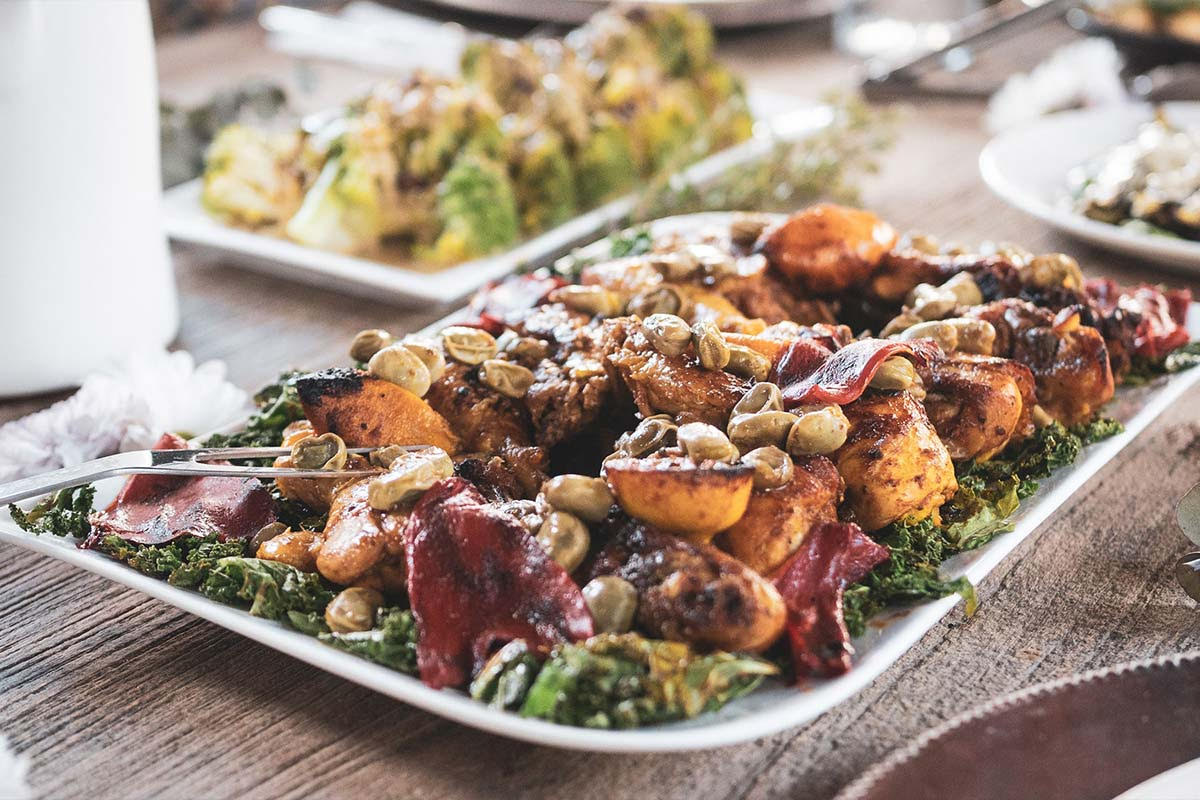
Ayahuasca diet meal: free-range chicken with kale, broad beans and piquillo pepper at Avalon retreat by Abel Jalal.
How does the Ayahuasca diet prepare the mind and body?
The Ayahuasca dietary restrictions you’ll see below cover food, drink, medication and sensory input. Together, they give your body a chance to release toxins built up from salt, sugar and caffeine. The food we consume every day fills our bodies with substances that can hinder the success of an Ayahuasca retreat, and clearing them clears the way for a deeper connection with the plant and a more profound ceremony experience.
By sticking to the diet, these toxins begin to dissipate, and this commitment shows the seriousness of your intentions. In indigenous traditions, this way of eating is seen as a way to build a stronger relationship with the spirit of the plant. It’s not just about physical cleansing — it’s about showing respect and readiness for the experience ahead.
That being said, if you accidentally eat something that’s not part of the recommended diet, don’t stress. Mistakes happen, and what matters most is your effort and sincerity in doing your best. There’s no need for guilt or worry — just return to the diet with intention and continue your preparation.
Following the diet can also have a positive effect on your overall well-being. As your digestive system clears out processed foods and stimulants, you may notice improvements in bloating, gas, and general digestive discomfort. This sense of lightness and balance in your body mirrors the clarity you’ll cultivate in your mind, helping you feel more aligned for the journey ahead.
Another essential thing to know is that fulfilling the two-week commitment to the Ayahuasca diet will bring a surge of energy, creativity, and hope. You will be boosted with self-confidence and self-esteem as you feel you are taking care of yourself and not dwelling on the need for it to come from others. This cocktail of delicious self-love and empowering vibes makes a great deal of difference on your future journey with Ayahuasca.
When should I begin an Ayahuasca diet?
We recommend that you begin this diet anywhere from two to four weeks before your scheduled retreat. If possible, you should also continue it for another week post-retreat to reap the most benefits.
The importance of following the Ayahuasca diet
Here’s the thing — it’s no secret that our lives are shaped by what we eat and the company we keep. Our choices around food and relationships directly impact the quality of the life we’re living. This same logic applies to your journey with Ayahuasca.
Your decision to meet Ayahuasca didn’t happen by chance. It likely stems from a deeper desire to understand certain aspects of your life. Know this: Ayahuasca has a unique way of creating an experience that’s as personal and profound as you are. It’s not a one-size-fits-all journey — it’s tailored to reveal precisely what you need to see, feel, and release.
On a physical level, Ayahuasca moves through your entire body, scanning for and identifying what no longer serves you — this is where its nickname “la purga” (the purge) comes from. The purging process allows for the release of toxins, stagnant energies, and unresolved emotions stored in your body. And this is precisely where the importance of the diet comes in.
Imagine you’ve signed up for a 4-night retreat, ready with questions for Ayahuasca to answer and guidance you’re hoping to receive. Now, if you haven’t followed the Ayahuasca diet, you may find yourself spending a significant portion of that retreat — possibly half or more — focused on physical purging rather than on the deeper aspects of your experience. Instead of exploring your inner world, you’re locked in a battle with your own body.
Purging isn’t fun. It’s a natural and necessary part of the process, but how intense it becomes depends on how well you’ve prepared your body beforehand. If you follow the diet, you’ll still experience some level of purging — but it will be lighter, more purposeful, and far less intense. Skip the diet, and you may face a much more aggressive purge, one that drains your energy and shifts your focus away from the heart of your experience.
Now, let’s be clear — this isn’t about setting rigid rules or enforcing restrictions. It’s about helping you create the most meaningful, transformative experience possible. The Ayahuasca diet isn’t punishment; it’s preparation. Our intention is to support you with love and care as you approach this sacred journey.
To truly honour your body, the spirit of Ayahuasca, and the path you’re about to embark on, we invite you to make a two-week commitment to awareness — not just in what you consume but in everything that interacts with your body, mind, and spirit.
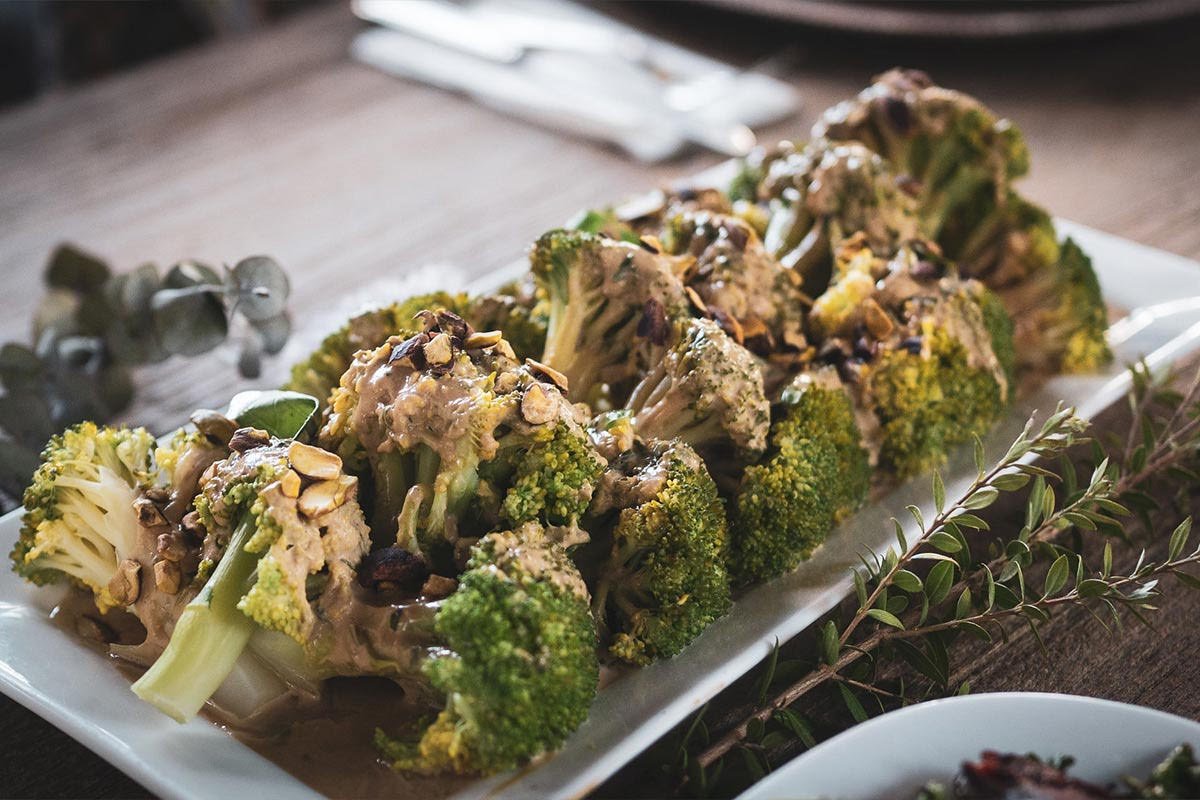
Blanched broccoli with sage and pistachio cream by Abel Jalal.
Ayahuasca dietary restrictions: medicines and foods to avoid
Here’s a plan to follow before and after your Ayahuasca ceremony, including medicines and foods to avoid and prepare your body, mind, and energy for a transformative experience.
| Timeframe |
Avoid |
| Six weeks before the ceremony |
- Antidepressant medications (all SSRIs) — consult your doctor before.
|
| Two weeks before and after the ceremony |
- Marihuana.
- All recreational drugs (LSD, MDMA, cocaine, amphetamines, and other street drugs).
- Pork and all red meats.
|
| One week before and after the ceremony (if possible, extend to two weeks) |
- Prescription drugs (unless approved by the healing centre or shaman — please consult with us and your doctor).
- Reduce salt as much as possible. If needed, a small amount of unrefined salt, such as Himalayan or sea salt, is acceptable.
- Pepper, soy sauce, and fish sauce.
- Hot spices and chillies.
- Refined sugars and sweets.
- Alcohol.
- Caffeine (coffee, green tea, black tea, etc.).
- Cacao, cocoa, and chocolate.
- Dairy products (milk, cheese, and yoghurt).
- Vinegar and pickled foods.
- Onion and garlic.
- Citrus fruits.
- Oils and fats (except coconut or olive oil, used very sparingly for cooking).
- Soft drinks, energy drinks, and non-alcoholic beer.
- Fermented foods (kimchi, fermented tofu, tempeh, etc.).
- Overripe, bruised, and dried fruit.
- Protein extracts, powdered protein supplements, and shakes.
- Yeast or yeast extracts (simple unleavened, unsalted breads are okay).
|
| 3 days before the ceremony |
- All medications and supplements — consult your doctor before.
- Fluoride toothpaste, synthetic soaps, perfumes, and toiletries.
|
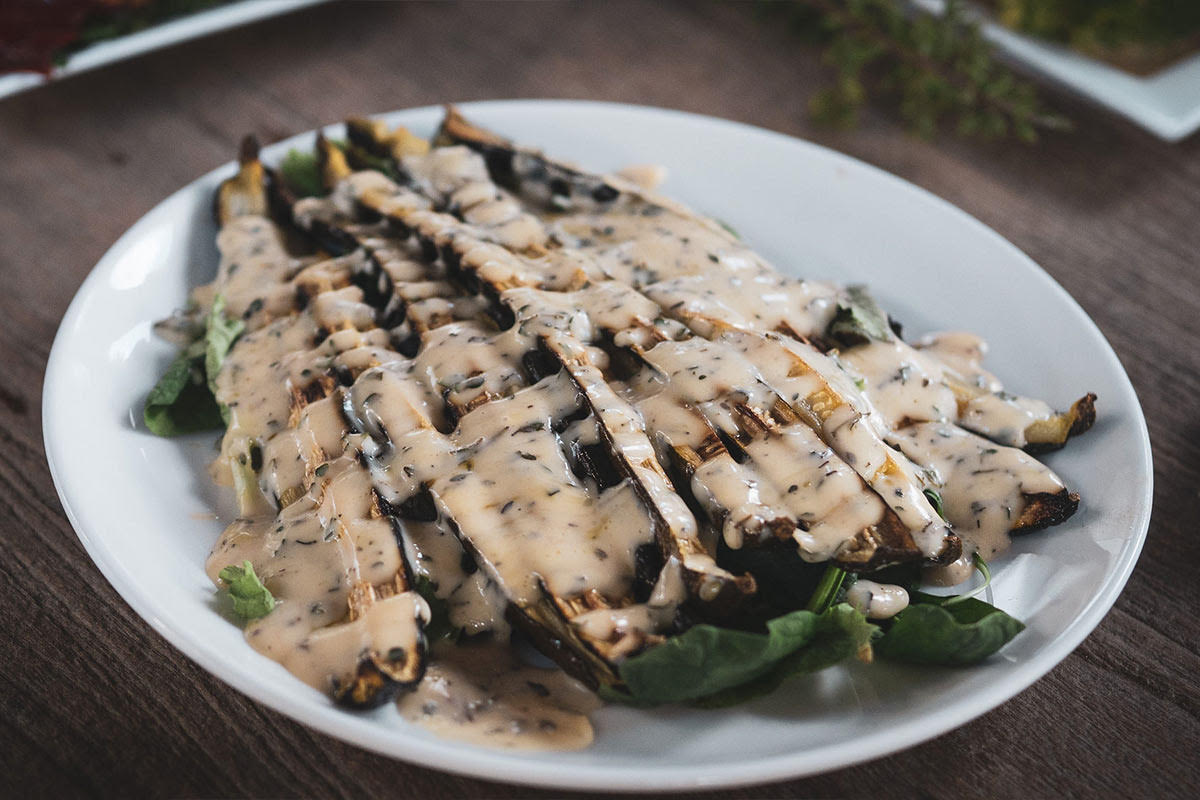
Foods to eat on the Ayahuasca diet: braised courgettes, coconut cream and spinach by Abel Jalal.
Tyramine and Ayahuasca
Tyramine is a monoamine found naturally in some foods containing protein. As these foods age, the levels of tyramine increase. Fermented products are especially rich in tyramine. The combination of foods with a high concentration of tyramine with Ayahuasca should be avoided because it can cause a hypertensive crisis with symptoms such as nausea, vomiting, sweating, increased heart rate, and dilated pupils.
Tyramine-rich foods to avoid with Ayahuasca
| Category |
Examples |
| Dried or overripe fruits |
Raisins or prunes, bananas and avocados. |
| Strong or Aged cheeses |
Aged cheeses like Cheddar, Swiss, Parmesan, blue cheeses such as Stilton, Gorgonzola, and Camembert. |
| Aged meats |
Treated with salt and nitrate or nitrite, dry sausages, pepperoni, and salami. |
| Smoked or processed meats |
Hot dogs, mortadella, bacon, corned beef, meat tenderisers or meat prepared with tenderisers, smoked fish. |
| Some sauces |
Soy sauce, shrimp sauce, fish sauce, miso, and teriyaki sauce. |
| Some legumes |
Soy and soy products, broad beans, and their pods. |
| Yeast extract |
Spreads like Marmite, brewer’s yeast, and sourdough bread. |
| Alcohol |
Beer, red wine, sherry, and spirits. |
| Improper storage |
Improperly stored or spoiled foods. |
| Caffeine |
Caffeinated beverages like coffee, tea, and energy drinks. |
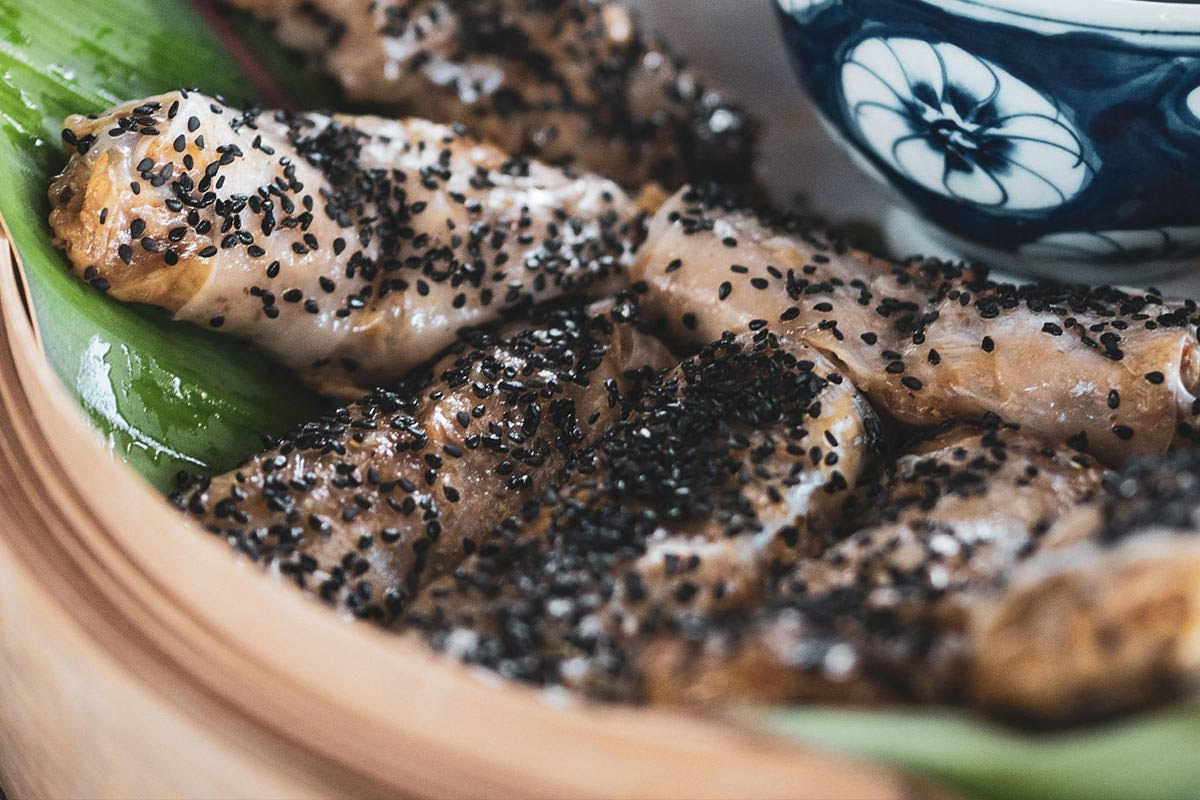
Ayahuasca diet plan example: winter roll with roasted kale, cumin and brown rice noodles by Abel Jalal.
Ayahuasca diet: What can I eat?
Our recommendations for planning your meals are to use a combination of the following:
| Category |
Examples |
Notes |
| Proteins |
Organic eggs, free-range chicken, wild-caught mild fish (sole, tilapia, halibut, trout, snapper), lentils, beans, and non-fermented tofu. |
Light, easy to digest. |
| Grains |
Brown rice, lentils, quinoa, wheat berries, amaranth, gluten-free pasta, whole wheat, spelt, and kamut. |
Whole, unprocessed grains. |
| Vegetables |
Most except onion, garlic, and leeks. |
Steamed or raw preferred. |
| Fruits |
Berries, grapes, bananas, peaches, apricots, apples, and pears. |
Avoid citrus and overripe fruit. |
| Nuts & seeds |
All nuts except peanuts, raw hemp seeds, and unsalted nut butter (except peanut). |
No peanuts, keep portions moderate. |
| Beverages |
Herbal teas, coconut water, nut milks, and water. |
No caffeine or alcohol. |
| Seasonings |
Fresh herbs like basil, oregano, thyme, sage, and dill. Mild spices like cumin, coriander, dill, sage, and turmeric. |
Fresh herbs and mild spices. |
The Ayahuasca diet in the long term
The reason so much of this article focuses on the diet before Ayahuasca ceremonies is simple — in our experience, once you complete a retreat, you’ll naturally continue to care for the food you eat and the energy you invite into your life. Choosing your well-being will feel as natural as breathing.
When it comes to food, you won’t be on this journey alone. Our talented chef Marina De Haro , along with the entire culinary team, will prepare inspiring, Ayahuasca-friendly meals throughout the retreat. But it doesn’t stop there. They’ll also lead five food awareness workshops, giving you the tools to connect with the nourishing food you’re gifting your body. You’ll leave with a new appreciation for mindful eating, not just during the retreat but for long after.
But the Ayahuasca diet extends beyond what you eat. It also touches your habits and relationships. The heightened awareness you develop throughout the retreat will guide you through the emotional and social “waters” of your daily life. It won’t be about finding a quick solution for long-term happiness; it will be about learning to trust the inner guidance system you discover within yourself. This is something you can carry with you forever.
Our hope is that by reading this article, you’ve felt a shift; a shift from uncertainty and doubt to clarity and ease. The Ayahuasca diet may have seemed complicated or overwhelming at first, but we hope you now see it as a path toward self-care, self-discovery, and lasting change.
With all that being said, if you’re seeking a safe, holistic, and transformative Ayahuasca retreat — one where you can experience the full potential of this ancient plant medicine in a sacred space — we invite you to take the next step. The journey ahead is one of clarity, healing, and profound self-connection. And it all starts with the intention you set today. To learn more or have any questions answered, book a discovery call with us and take the first step on your transformative journey.
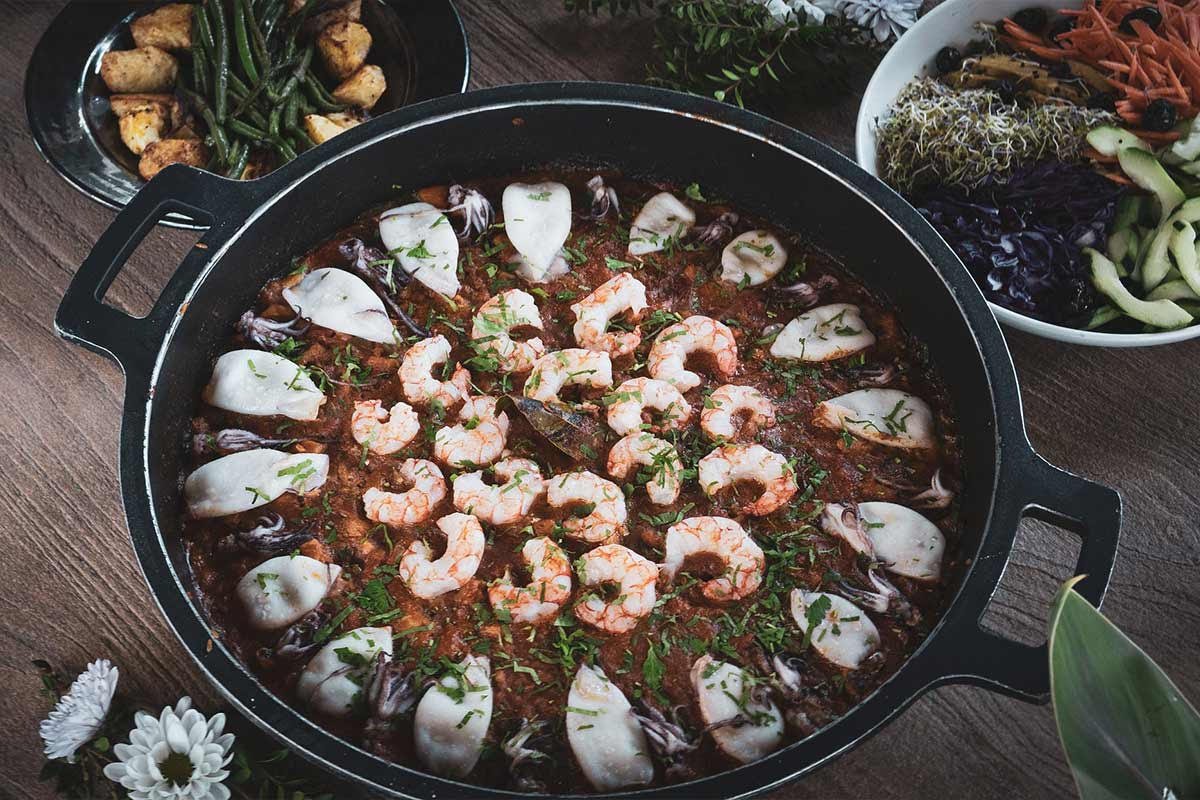
Post-ceremony Ayahuasca diet: “Señorito” paella with wild-caught fish, prawns and squid by Abel Jalal.