
Chronic depression seems to be a growing issue around the world, and despite the many medications on the market, none of them is universally effective or a long-term fix.
That’s because, for the most part, SSRIs and other antidepressants don’t treat the root cause, and we know that. Sure, they can help temporarily, as can many medications, and sometimes they are necessary.
But from a more holistic viewpoint, depression is usually the manifestation of something deeper going on. This is a wisdom that medicine traditions have recognised for a long time, and it’s something that modern science is only just starting to catch up with.
With this understanding, Magic Mushrooms are becoming much more prominently used within psilocybin retreats as a way to treat depression.
Their active compound, psilocybin, is a naturally occurring psychedelic found in over 200 species of fungi, one that the body converts to psilocin upon ingestion, producing altered states of perception and cognition that researchers are now finding therapeutically significant.
Here, we will explore where the traditional approach and clinical approach to Magic Mushrooms meet, and why taking psilocybin for depression is looking like a progressively more valid approach to healing.
Studies on psilocybin for depression
Plant medicines have been drawing more attention over the past several decades. The 60s and 70s saw a boom in their use as tools for exploring consciousness, while the 21st century has seemed to shift more toward science and medical use.
As we turn our eyes to the therapeutic potential of psilocybin as a breakthrough in modern mental health treatment, especially for treatment-resistant depression, the research is becoming harder to ignore.
Magic Mushrooms, especially (not to be mistaken with truffles), have seen a huge wave of research over the past few years. According to a peer-reviewed overview from Drug Design Development and Therapy (2024), there are 134 registered clinical trials on psilocybin, with many of them claiming very positive results for depression.
What was once dismissed as fringe is now being examined in universities, hospitals, and by mental health professionals all over the globe.
Researchers are documenting measurable reductions in depressive symptoms, especially in people who have not responded well to conventional treatments.
This growing evidence is also driving the rise of professionally facilitated psilocybin retreats, where structured therapeutic support is paired with clinical safeguards used in research.
Does psilocybin work for treatment-resistant depression?
One of the largest trials to date was conducted by Compass Pathways. Their Phase IIb study, published in The New England Journal of Medicine in 2022, involved 233 participants with treatment-resistant depression, defined clinically as major depressive disorder that has not responded adequately to at least two different antidepressant treatments at appropriate doses.
Participants received either 1 mg, 10 mg, or 25 mg of synthetic psilocybin alongside psychological support. Participants with moderate to severe depression received either:
- Two high-dose psilocybin sessions plus placebo capsules.
- Or daily escitalopram plus two very low-dose psilocybin sessions.
The study found that patients who had a 25 mg dose of psilocybin in conjunction with therapy had a near-instant and significant reduction in symptoms of depression, which lasted for about a month on average.
Almost 25% of people who took the 25 mg dose showed a 50% or more reduction in symptoms three months after their dose. These results are, without a doubt, groundbreaking for patients who’ve found themselves at a sort of roadblock.
During this study, the team at Compass Pathways found that psilocybin was highly effective in reducing common side effects of depression, improving feelings of well-being, the ability to express emotion, and functioning in social settings.
In this TEDx Talks video, clinical psychologist Rosalind Watts from Imperial College, London, explains that clinical research shows psilocybin-assisted therapy can help people stuck in rigid patterns of thinking. This Magic Mushrooms for depression study involved 20 individuals with treatment-resistant depression who received a high dose of psilocybin in a therapeutic setting.
Unlike typical antidepressants that require daily dosing, psilocybin is given in one or two guided sessions with preparation and integration support, a model often called mushroom therapy that appears to loosen entrenched brain networks long enough for people to experience new perspectives.
The majority of participants experienced rapid reductions in depressive symptoms within a week, and many maintained them for several months. While this is just one snippet of a whole lot of research, it reinforces that even a single guided session can create meaningful shifts.
How psilocybin compares to SSRIs
A 2020 study published by Cambridge University Press on behalf of The College of Psychiatrists of Ireland suggests that psilocybin for depression might be as effective as the most common antidepressant medication (Lexapro) at relieving moderate to severe symptoms.
The exciting part of this specific study on psilocybin for depression is that the person only takes one dose of the psilocybin. Instead of a drug regimen, which requires the affected person to take medication daily, researchers gave psilocybin just once.
During this study, most participants gained a deeper understanding of themselves during the trial. For the first time, they could actually recognise why they had depression, and were able to begin tackling the root of their mental health condition.
In short, this study frames psilocybin not as hype, but as a seriously studied therapeutic option that is moving through the clinical pipeline, with evidence pointing toward meaningful benefits for mood disorders such as depression.
What the evidence shows us
The growing body of research suggests that using psilocybin for depression, and increasingly for depression and anxiety, allows doctors to address the core issues of mental health conditions like depression, anxiety, and chronic stress, rather than managing surface-level symptoms like suicidal thoughts.
Psilocybin allows the brain to form new ways of thinking that it was unable to form before, due to its natural limits. In doing so, the person taking psilocybin can understand their inner terrain from a whole new perspective.
When medication doesn’t work, Magic Mushrooms offer a potential alternative.
One of the big advantages of psilocybin as a treatment for depression is that the serious adverse effects are uncommon. That means, for most people, psilocybin is a safe alternative.
And the beautiful thing about this is that many modern breakthroughs align deeply with traditional wisdom, as it’s proving what these cultures have known for a very long time.
Beyond the thousands of personal stories from people who say mushrooms helped lift them out of depression, myself included, there is now a growing body of clinical research pointing in the same direction, which tells us something important.
Who should not take psilocybin? Contraindications
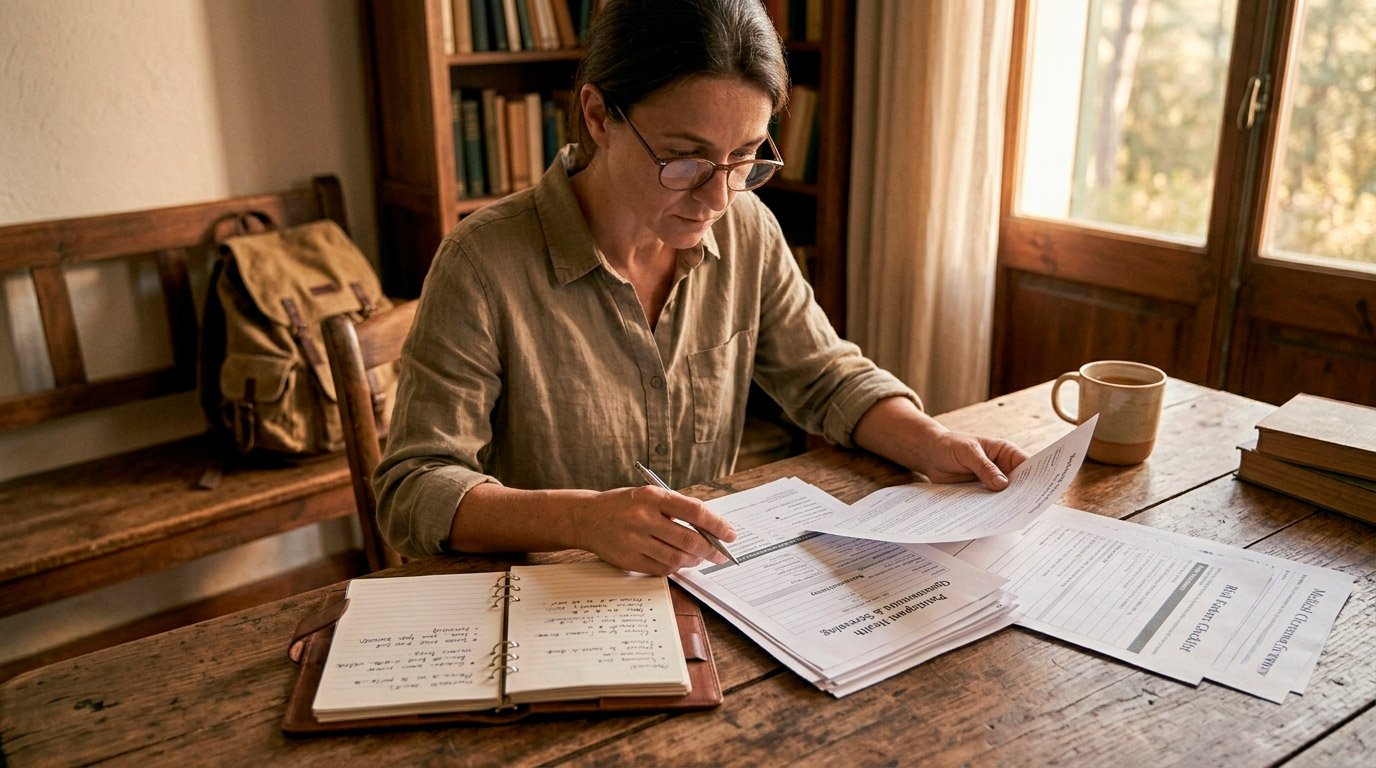
Although mushrooms are generally considered safe, there are contraindications, and most modern trials screen participants carefully.
People with a personal or family history of psychotic disorders, such as schizophrenia, are typically excluded. The same caution applies to bipolar disorder, particularly type I, due to the risk of triggering mania.
It’s also important to note that certain medications, especially SSRIs and other antidepressants, can complicate the effects too. This is why medical screening and professional supervision are essential in formal therapeutic settings.
Contraindications aside, emerging research continues to expand our understanding of how psilocybin works in the body, and it’s looking promising, with a recent study conducted by Emory University researchers suggesting that psilocybin can extend the lifespan of human skin and lung cells by more than 50%.
While they hint at broader biological mechanisms, much more research is needed to uncover the full scope of medicinal and therapeutic uses for psilocybin.
The traditional role of Magic Mushrooms in healing
There is another layer to mushrooms that often gets flattened in a purely clinical framework, which is important to understand to develop a deeper, more substantial understanding of how mushrooms affect wellness.
Modern science tends to focus on mechanisms. It asks what psilocybin does in the brain, which receptors it activates, and how that correlates with symptom relief. It cares about the how, and that is also very important. But traditional cultures have often approached these medicines from a different angle, seeing them as vessels for higher consciousness.
Psilocybin mushrooms have a long history of ceremonial use around the world, particularly in Mesoamerica, such as modern-day Mexico, Guatemala, El Salvador, and Honduras.
Archaeological evidence suggests that Indigenous groups such as the Mazatecs and Zapotecs used psilocybin mushrooms in ritual settings (ceremonies) for personal and ancestral healing, divination, and spiritual guidance, as evidenced by ancient artwork such as wall paintings and ceramics, and later by anecdotal and written accounts from the Spanish in the 16th century.
In Nahuatl, psilocybin mushrooms were referred to as “teonanácatl”, which translates to “flesh of the gods” and points to their mystical associations during the time.
The ceremonial use of mushrooms is most closely associated with the preclassical Mayan period, although certain traditions continue today. For example, in the Mazatec region of Oaxaca, Mexico, mushrooms continued to be used by traditional healers in guided ceremonies intended to diagnose illness and reconnect individuals with their spiritual lives.
In many Indigenous worldviews, illness is understood as an imbalance. That can come in the form of disconnection from community, from nature, from our ancestors, or from our own inner truth. In other words, illness occurs when we are out of alignment, and when that fragmentation deepens, suffering begins.
Healing practices, including the ceremonial use of mushrooms, are often aimed at restoring harmony rather than simply eliminating symptoms.
This is why interest in Magic Mushrooms for anxiety has grown alongside research into depression, as more people, not just as medicines, but as tools which can help us get to the root of these illnesses.
The ceremony of Niños Santos
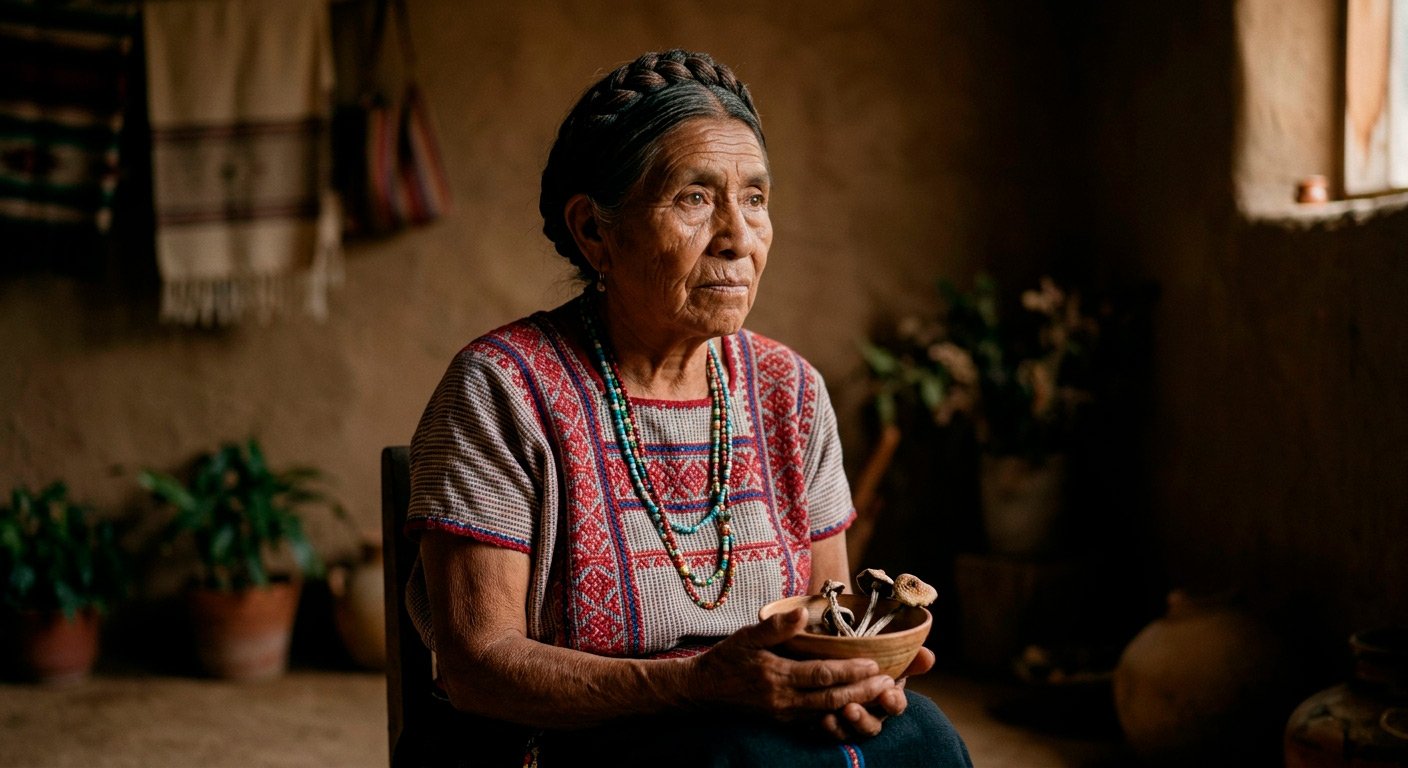
Among the Mazatec people of Oaxaca, Mexico, sacred mushrooms are called “Niños Santos”, meaning “Holy Children”.
In Mazatec traditions, psylocibin mushrooms are likened to the spirit of a child that helps bring us back to our innate innocence.
The traditional healers believe that, like every ancestral medicine, mushrooms have a consciousness or spirit that we connect to when we consecrate them, and this is where they can really help us discard a lot of baggage we’ve picked up over the years.
In a ceremonial framework, the medicine is not taken casually. It is worked with intentionally to restore balance by helping the individual reconnect with something deeper within themselves.
When mushrooms are taken casually, the experience can be erratic, fragmented, and difficult to process. This is where the role of ceremony comes in, to create a conducive framework to healing by stepping into alignment with the teachings of this spirit.
Whether the healing potential is framed in spiritual or psychological language, the underlying intention is similar. The work is about reconnection to bring us into harmony. When we are in harmony, that’s where wellness follows.
What to expect at a psilocybin retreat for depression
As with any plant medicine, I would not suggest working with mushrooms without the appropriate guidance, especially if you are unfamiliar with expanded states of consciousness.
These experiences can be intense.
They can dissolve your usual sense of self and challenge the way you see your life. A lot of heavy stuff can come up, and without a proper framework, that can feel destabilising rather than healing.
Working with Magic Mushrooms can help with depression, and some people explore mushrooms for anxiety and stress too, but in full transparency, not everyone benefits from their use.
Especially if the depression is deep-rooted, the work can be a process, and it might require more than one psilocybin retreat.
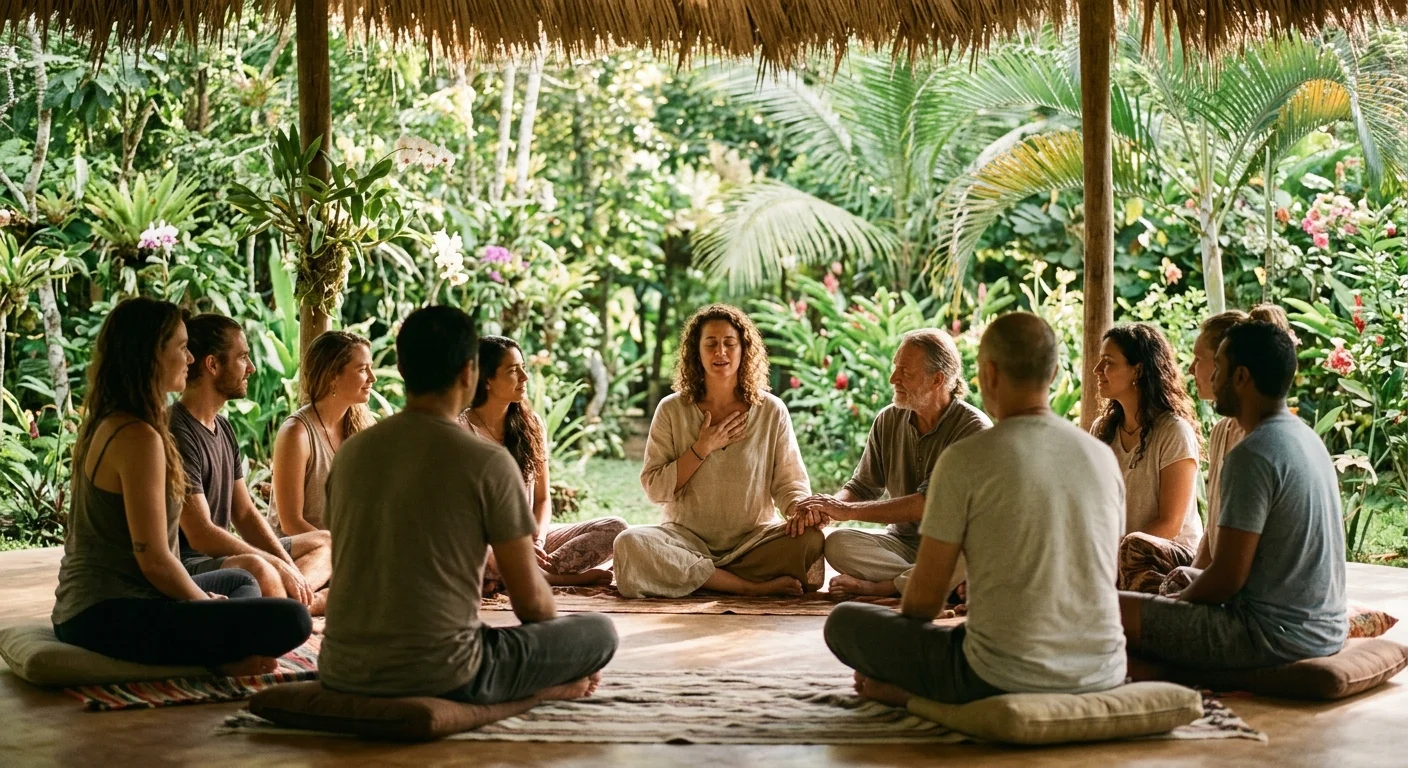
For some people, attending structured psilocybin retreats provides the container and continuity needed to approach the process intentionally. This is where proper guidance, community, and integration come in. These are elements that have been central to traditional use, but are often overlooked in modern contexts.
Dr Rosalind Watts emphasises that psilocybin should never be seen as a quick fix, but as part of a broader therapeutic process, 5 years after her TEDxTalk on the subject.
She stressed in this article that true healing comes from surrendering to the experience within a safe setting, not just from the medicine itself.
She highlights the importance of a therapeutic container, including preparation, guidance, and post-session integration, in ensuring effective healing, and also highlights the value of the elders’ wisdom and traditional practices in creating a supportive environment.
With that said, if you are seeking Magic Mushrooms for depression, going to a Magic Mushroom retreat can be a great way to get deeper into the roots of the problem, which certainly can be helpful, but it’s important not to treat it as a silver bullet.
Just understand that using mushrooms as a medicine also requires a lot of inner work and integration, and in the long term, that’s what prevents you from slipping back into old patterns.
Avalon’s Magic Mushrooms Retreats
If you want to explore this sort of work in a safe container, we offer retreats for depression at Avalon, too. These psilocybin retreats are designed to honour traditional ceremonial work while integrating modern therapeutic insight.
The ceremonies are guided by experienced facilitators who understand both the spiritual depth of the medicine and the care required to hold these spaces in ways that respect traditions and are conducive to healing and growth.
To create the safest container possible, maximise the benefits after a positive experience, and minimise the adverse effects after difficult experiences, each retreat includes:
- Intake and safety screening with the collaboration of a doctor.
- A one-on-one preparation video call.
- Magic Mushrooms preparation and integration guidelines documents.
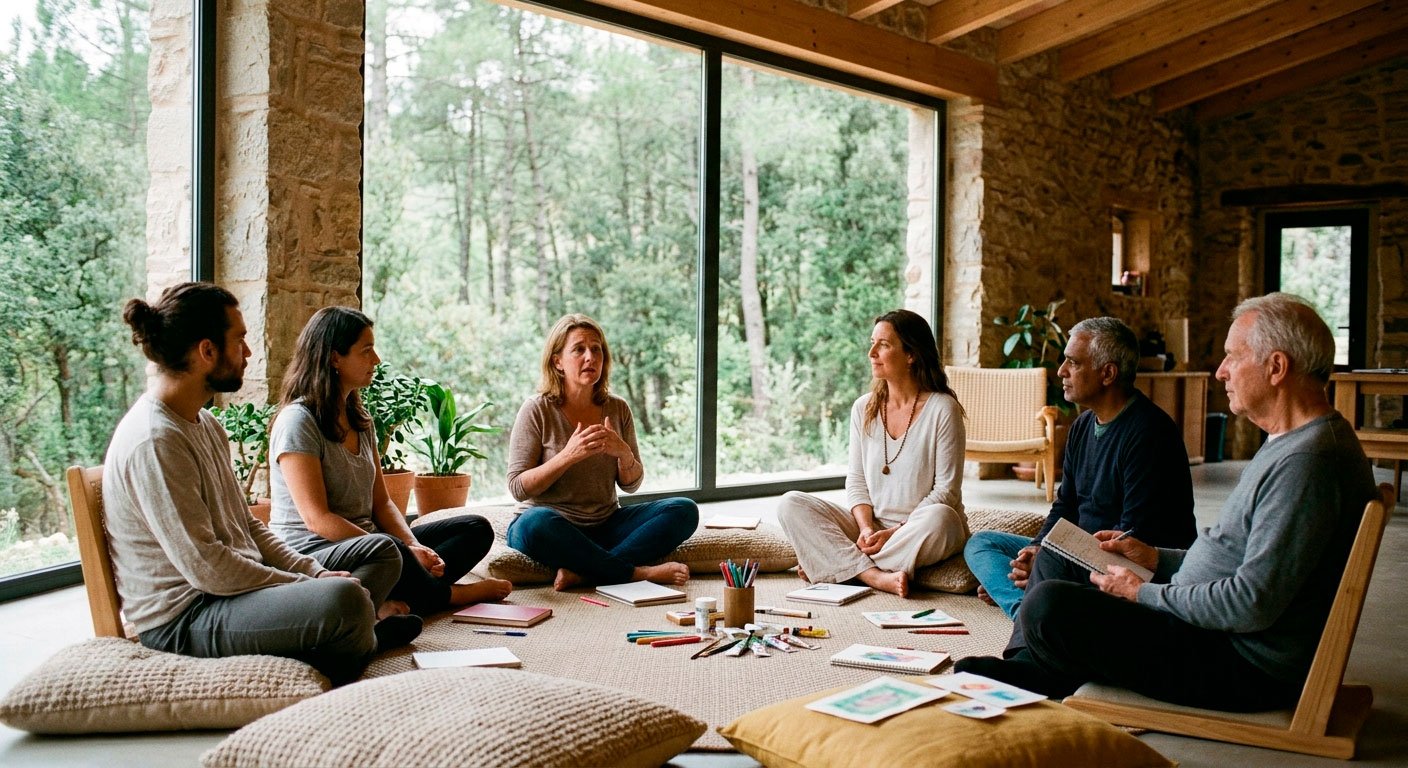
- An on-site integration workshop combining art therapy, writing, and a sharing circle.
- An online group integration follow-up.
- Ongoing access to our monthly community online integration circles.
There is also time to rest, nourish the body with shared meals, and process what arises in a supported environment.
Look at our upcoming Magic Mushroom retreats, or schedule a discovery call with us if you want to have a chat about your options and see if working with mushrooms in this sort of container is a good choice for you.