
Have you considered enhancing your body’s immunity but really don’t know how?
Is a Kambó Ceremony something you have heard of but need to know what it is all about?
The following article will answer all your questions about what a Kambó ceremony is, starting with the origins of the medicine, its purpose, and the right timing for you to consider receiving it.
To begin with, here’s what you need to know about Kambó:
- It is non-psychoactive, and it will not get you high.
- Also known as “kampu”, “vaccino da floresta”, and also “sapo” (which means “toad” in Spanish).
Not to be confused with the other toad present in the healing world, the Sonoran desert toad (Bufo Alvarius), a potent psychedelic.
- It is a South American name for a secretion coming from a tree frog (Phyllomedusa bicolor), also known as Giant Leaf Frog or Giant Monkey Frog.
- The giant monkey frog lives in the Amazon rainforest, and it’s being used by indigenous tribes, such as Huni Kuin (Kaxinawá), Matsés, Katukina, and Yawanawá, as traditional medicine.
These Amazonian tribes use Kambó as a cleansing ritual to prepare and enhance their people’s skills in hunting, removing the “bad luck” they might be having. Aside from that, Kambó is also known to be used in healing depression-like states and other diseases.
- It’s collected without harming the frog.
The tribes working with Kambó have great respect for the frog. They collect the secretion with a wooden stick by carefully tying up the frog (without skin-to-skin contact). By no means are the frogs harmed or forced into the collection phase. It is known that the Matsé tribe sings and has the frogs approaching them. The harvest is being done in their natural habitat; it is never overdone, as the frogs bear a mark after each harvest.
- It is not poisonous.
Kambó contains many bioactive peptides (short chains of amino acids linked by peptide bonds), which are responsible for the physiological effects. Phyllocaerulein, Phillokinin, Phyllomedusin, Sauvagine, and Dermaseptin are some of the peptides in the highest concentration in Kambó.
- Constantin Tastevin, a French missionary priest, was the first to register this practice in 1925 in Brazil.
Ever since the knowledge of this practice has been expanding all over the world. The indigenous were inspired through dreams and altered states of consciousness to harvest and utilize Kambó. In their quest to understand and promote well-being, master plants such as Ayahuasca played a significant role.
As you might already know, for indigenous tribes, there is no duality between body and soul; 3D and spirit coexist and are intertwined. As with all their soulful medicines, Kambó is served ceremonially.
What happens during a Kambó ceremony?
The procedure of administrating Kambó is unique. Unlike other medicine, it enters through the lymphatic system. There is no other way of administering Kambó. Snorting, ingesting, or introducing it into the bloodstream is not recommended.
Here is how the process unfolds:
- The Kambó ceremony starts before the actual administration of the medicine. Each person needs to attend on an empty stomach, usually fasting since the morning of the ceremony. If performed in the afternoon, a 12-hour fast is recommended before receiving the medicine.
- About 2 liters of water are consumed before the ceremony to support the release of toxins about to take place.
- The medicine itself needs little to no preparation. The secretion previously collected from the back of the Giant Monkey Frog, now in dried form, is mixed with small amounts of water and turned into a paste.
- Small blisters are being done onto the skin to give way to the medicine. To reach the lymphatic system, Kambó must be applied beneath the superficial layers of the skin. The process is quick, and it brings little to no pain. No blood is involved.
- According to ICEERS, the dosage is measured in the number of dots applied, and each dot contains around 10 gm of Kambó. The amount of this medicine depends on body size, experience, tradition, and the reason for application. A low dose has 1 to 3 dots, a medium dose of 3 to 10 dots, and a high dose of more than ten dots.
- In most cases, the dots are performed in the ankle area for women and in the shoulder for men.
- Kambó is an intense experience that can last up to 40 minutes. Minutes after applying the medicine, one can notice an increase in heart rate and heat waves in the upper body, sweatiness, nausea, dizziness, and vomiting. The acute effects are known to last between 5 and 20 minutes and then slowly fade.
- Other variable effects are also: a sense of body heaviness, swollen tongue, lips, and face, blurred vision, dry mouth, stomach pain, inflammation of the throat, and pressure in the head, neck, and chest.
- As soon as the strong effects fade, the body slowly enters a state of rest, requiring nurturing, comfort, and sleep.

Can anyone guide a Kambó ceremony?
Many followed their inner guidance to the Amazon. Most of the people who serve Kambó went through what we call a “dieta”, before working with it. This is a process where one becomes intimate with the medicine under the close supervision of a master. Most of these dietas happen in the Amazonian jungle, lasting between two weeks and a year, under the guidance of the tribes.
While this preparation is not mandatory, we recommend you seek to join a Kambó ceremony led by someone who respects not only the indigenous culture but also the magnificent creature that makes all of this happen.
Does the Kambó ceremony require preparation?
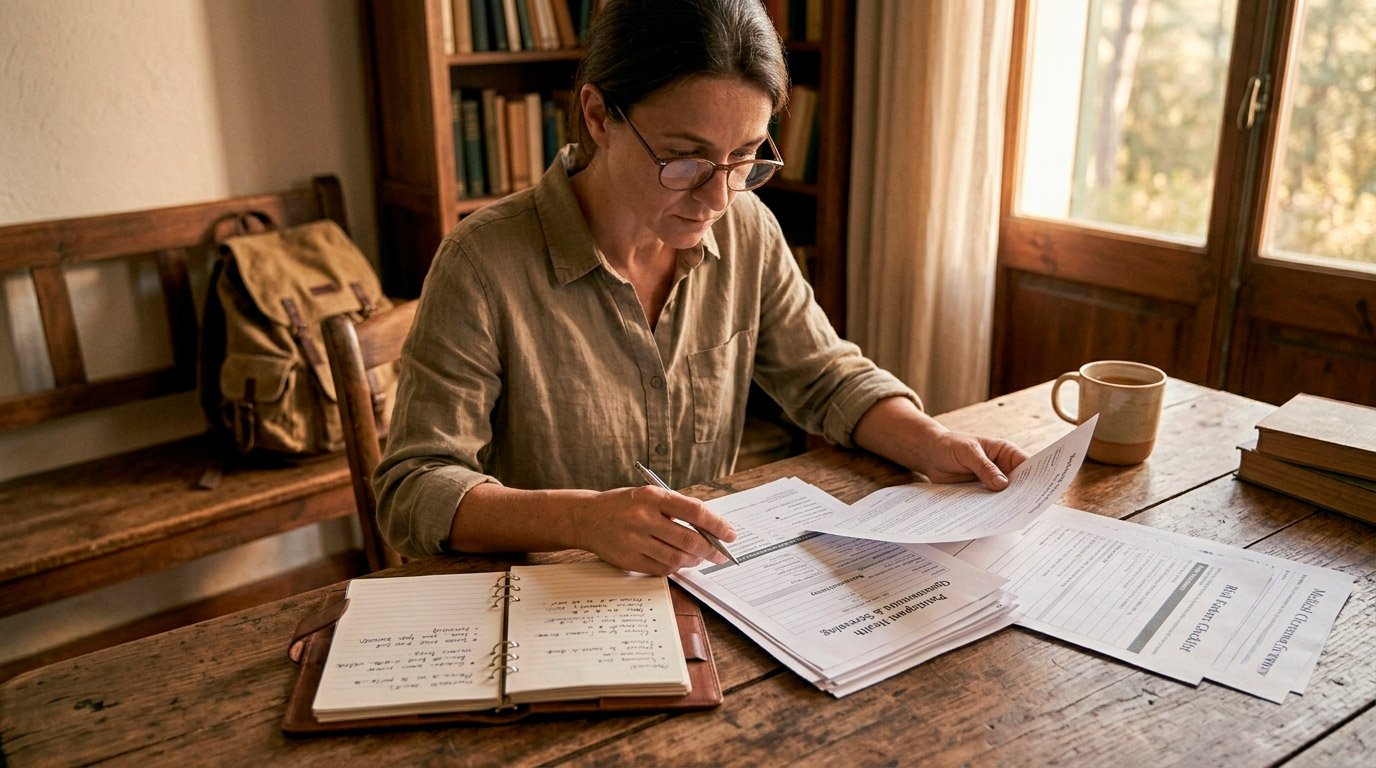
If you are joining a Kambó ceremony as part of an Ayahuasca retreat or any other master plant retreat, there is no need to worry about preparations. There is a recommended diet and outfits that most retreats inform you about in time.
If you are joining a Kambó ceremony organized on its own, here’s what you need to keep in mind:
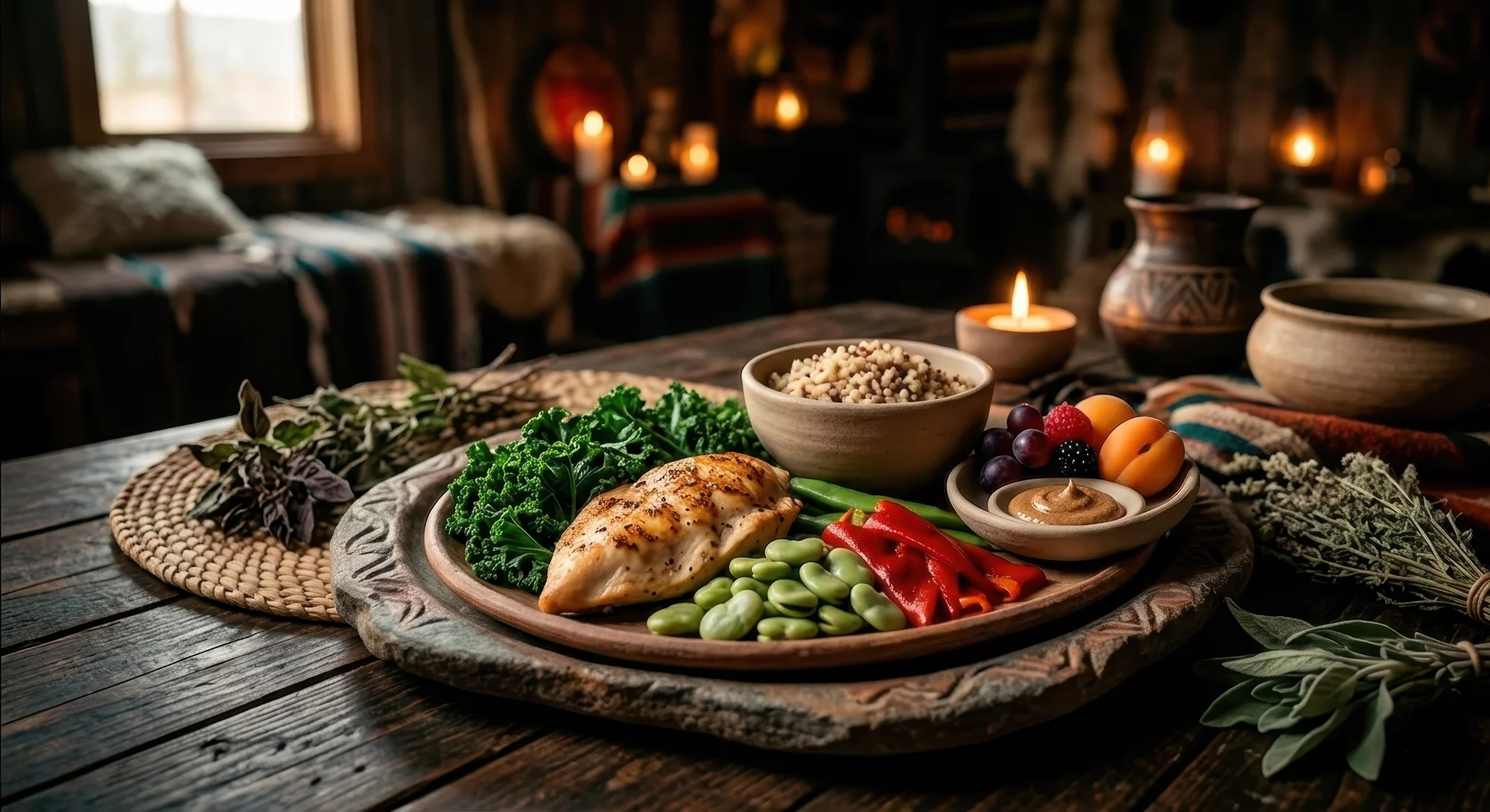
- Your diet should start three days before entering the Kambó ceremony. Avoid recreational drugs, alcohol, supplements, red meats, and overly processed foods. Feel free to follow the Ayahuasca diet, designed to prepare your body for a deeper experience.
- It’s essential to stay warm and be comfortable – bring suitable clothes.
Kambó in ancient and modern times
Life should not be a denial of what it is but a search to understand how things arrive and move with it all.
In modern times, the rise of viruses such as Covid brought questions like: Is Kambó a way of boosting our immune system so that our bodies can become less affected, if not immune to it?
As far as our reach within the Kambó facilitators world, none of the people partaking in Kambó ceremonies presented serious issues in Covid times.
In ancient times, Kambó ceremonies were a deep cleanse of the body and soul, delivered to those preparing to head out for hunting. An awakening of senses and ancestral wisdom carried deep within our DNA becomes a warrior’s primary weapon within the jungle. It isn’t just survival they seek; it’s leadership too.
Contraindications
Please read this part carefully, as Kambó is only recommended for some.
The incidents you might have heard of happen mainly due to a lack of information.
Kambó is not recommended to those who:
- is pregnant or is breastfeeding
- is underage.
- suffers from Epilepsy, Addison’s disease, Ehlers-Danlos Syndrome
- is recovering from a major surgery
- is taking immuno-suppressants
- has heart problems
- had a stoke
- is on medication for low blood pressure
- has serious mental health issues
- is under chemotherapy or radiotherapy
- has low levels of cortisol
- has aneurysms or blood clots
Kambó and Ayahuasca – how are they connected?
Kambó isn’t just a body experience. The frog and the body receiving the medicine are soulful beings; thus, both have something to learn from each other. Ayahuasca is, in this case, the bridge between the two.
On the one hand, the Amazon is her home, and she is it. She protects and guides all life, including the tree frog. Kambó later passes all her wisdom from the frog to our bodies.
On the other hand, the very practice of acquiring and applying Kambó might have been her guidance and answer to the people of the tribes as they seek well-being and success.
Unsurprisingly, Kambó is nowadays present in almost all Ayahuasca retreats. The great expulsion of toxins during the Kambó ceremony and the intense experience ease the body and mind into receiving Ayahuasca.
Now that you know more about what a Kambó Ceremony is, we would love to have you join our Avalon’s Ayahuasca retreats in Europe and give us the honor of being part of your journey.