
The Ayahuasca retreat cost is one of the most significant factors in deciding which centre you choose. Prices vary significantly, and it’s not always clear why.
This is why we’ve created this Ayahuasca cost guide to break down where your resources actually go, and how to determine which centres are the best fit for you. The goal here is complete transparency, with the hope that it better equips you to make an informed decision.
If you’re new to Ayahuasca and want to learn about the medicine before comparing prices, I recommend starting with this article about Ayahuasca. Now, without further ado, let’s get into it.
Why do Ayahuasca retreat prices vary so much?
Some Ayahuasca retreats cost under $1,000 per week, while others cost several thousand. The difference often comes down to factors such as the centre’s location, size, safety standards, and the level of comfort and support provided.
Cost of living makes a big difference, too. In countries where daily expenses are higher, running a retreat centre naturally costs more, and that’s reflected in the retreat price.
Likewise, a large, multi-faceted centre with many moving parts will naturally charge more than a local healer hosting ceremonies at his or her home.
If you’re after practical advice, check out our article on how to choose the right Ayahuasca centre for you. Otherwise, let’s take a closer look at what some of the main expenses of an Ayahuasca centre are.
What are you actually paying for?
Running an Ayahuasca centre takes quite a lot of resources, time, and commitment, and of course, there are costs involved to ensure a safe, reputable space to facilitate deep healing.
How much an Ayahuasca centre charges doesn’t necessarily mean it’s better or worse, just different in its own ways, often with a different framework and levels of support.
So, here is what you are paying for:
1. Shamans
Shamans are the heart of any Ayahuasca retreat. They facilitate the ceremonies, bring the medicine, carry the lineage, and sing the ikaros. Of course, they must be fairly compensated for their work, skills, and training.
In regions where medicine traditions are well-established, finding a trained shaman to facilitate ceremonies is relatively straightforward, but it becomes a little more complicated with international centres.
Some of these centres bring in their shamans for each retreat, sometimes from the other side of the world. This means covering flights, accommodations, and of course, compensation for their time and effort. While this may seem like a logistical challenge, it’s essential for maintaining integrity and honouring the traditions.
That’s why reputable centres carefully vet the healers they decide to work with. Sure, this kind of discernment adds to the cost, but it also safeguards this sacred work.
2. Retreat length
More days, more ceremonies, more cost…
The length of a retreat directly affects the price. A weekend retreat with one ceremony will usually cost less than a week-long program with several ceremonies.
That said, different guides work with various medicines. The more medicines and ceremonies that take place during a retreat, the more support, time, and resources are required to ensure a safe experience.
Therefore, it’s essential to consider the length of the retreat that best suits your needs and how many ceremonies you want to participate in.
If you’re seeking the medicine to work through a major life issue, you may benefit more from a longer retreat with multiple ceremonies, depending on the guidance of the healers.
3. Venue
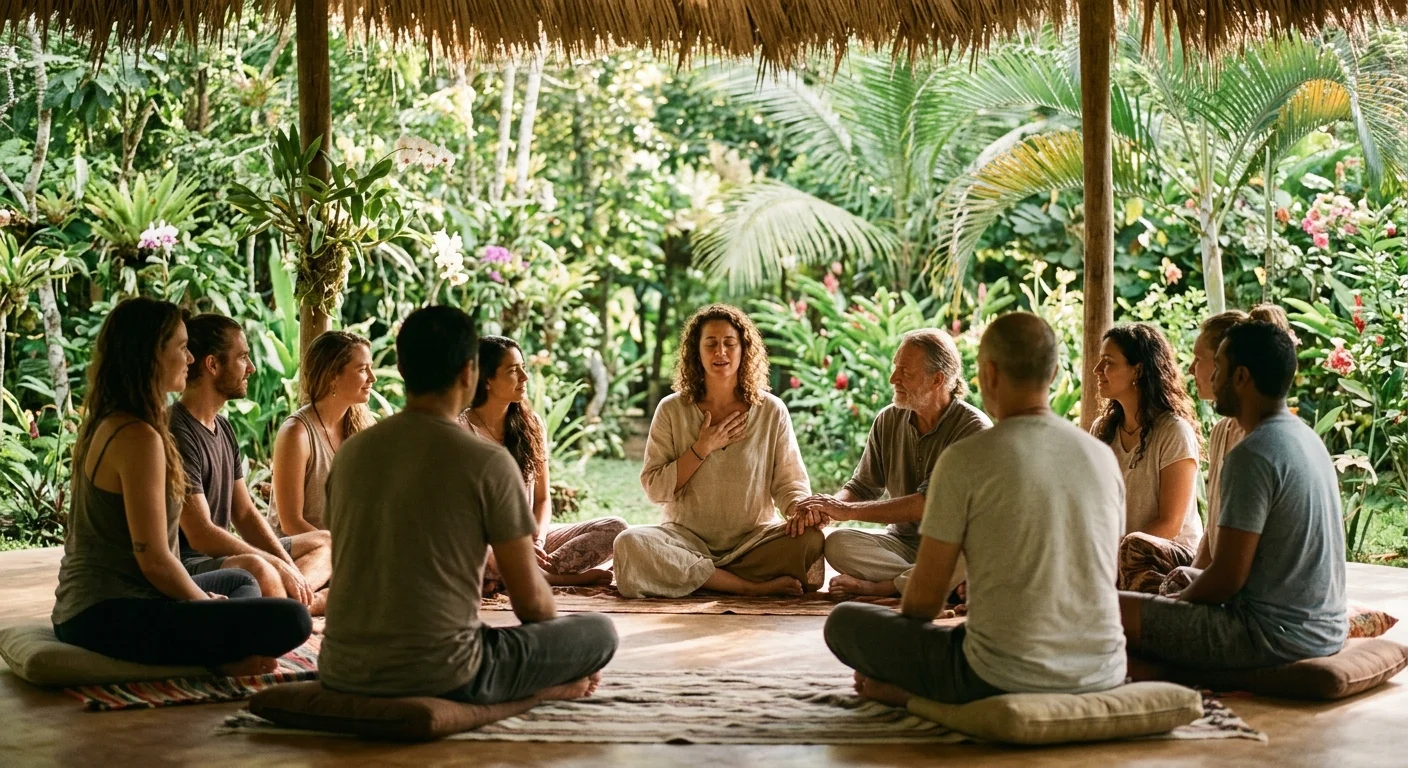
Large modern centres cost more than rustic jungle malokas.
The venue also makes up a significant portion of the Ayahuasca retreat cost. While some centres own their property, many lease their space, and those spaces can be pricey!
Let’s put it this way. Renting a property with modern amenities like private bedrooms, a fully equipped kitchen, and a spacious ceremony space is significantly more expensive than renting some land and pitching tents.
At our centre, renting the space accounts for about one-third of the total cost. It’s a lot, but it’s also necessary to ensure our guests have a comfortable, relaxed experience when working with these medicines.
Therefore, as a participant, you’re paying for the level of comfort you get, and that alone makes a massive difference in the experience you’ll have.
4. Team
The team is the backbone of an Ayahuasca centre, and each team member is a salary to pay.
Unlike local ceremonies, where a healer may run everything alone, international centres often serve many first-time participants, which requires much more organisation. Without a strong team that shares a common mission, the retreat simply falls apart.
The team usually includes:
- Guardians: There to accompany participants through ceremonies, offer emotional support, and make sure that each participant has a smooth experience at the retreat.
- Medical staff: Some centres have doctors or psychologists on-site or on call in case of emergencies.
- Operational staff: Coordinators, administrators, and translators keep the retreat running smoothly behind the scenes.
- Hospitality staff: Kitchen teams, cleaners, and groundskeepers who make sure the space is clean, comfortable, and welcoming.
It’s worth remembering that the people who dedicate themselves to this work still need to make a living. Fair pay ensures the team can continue offering their service sustainably.
5. Size of the centre
Bigger centres come with larger costs.
Some centres are expansive communities with dozens of staff. Others are intimate, low-key gatherings where the healer organises everything, and maybe a volunteer or two.
Of course, the larger the centre, the more resources are needed to keep the gears oiled. This is a big reason many larger centres charge on the high end of the scale: there are more staff, more salaries, and more moving parts that require time and labour.
6. Cost of living
Often, the Ayahuasca retreat cost is proportionate to the country’s cost of living.
This is one of the most overlooked factors in the cost. Retreat centres have to cover the same expenses as any business in their region, which means costs vary dramatically around the world.
In some countries, you can live comfortably on $1,000 a month. In contrast, $1,000 might not even cover the rent for a studio apartment in other countries.
Staff wages, food costs, property taxes, and utilities can vary dramatically around the world. As a result, retreats in regions with a lower cost of living can charge much less than those in countries with higher everyday expenses.
This is also why it’s rare to find Ayahuasca retreats at a low price in some countries. The people dedicating their lives to holding these spaces need to make a living too, which is reflected in the price.
7. Legalities and regulations
Stricter laws often mean higher costs.
In many countries, plant medicines are closely monitored. This means that retreat centres often have to spend extra on things like:
- Legal guidance to ensure compliance.
- Health and safety compliance.
- Permits and licenses.
- Tax.
- Insurance.
Running a retreat responsibly and transparently requires resources. This is one of the main reasons retreats in countries with strict regulations tend to cost more than those in regions with lighter oversight, as ceremonies can operate with fewer formal requirements.
While those regulations can sting, they also ensure that retreats adhere to the highest standards when working with plant medicines in a professional capacity. In turn, this can give you peace of mind knowing you’re in a safe and reliable environment.
8. Medical and safety
Strong safety measures are essential, but costly.
The safety of participants is a huge priority for any responsible Ayahuasca centre, and something you definitely don’t want to cut corners with.
Ensuring everyone is properly looked after also takes resources. Great retreats make sure that their team is trained, and there’s proper medical or psychological support available if necessary.
Part of having strong safety standards involves things like:
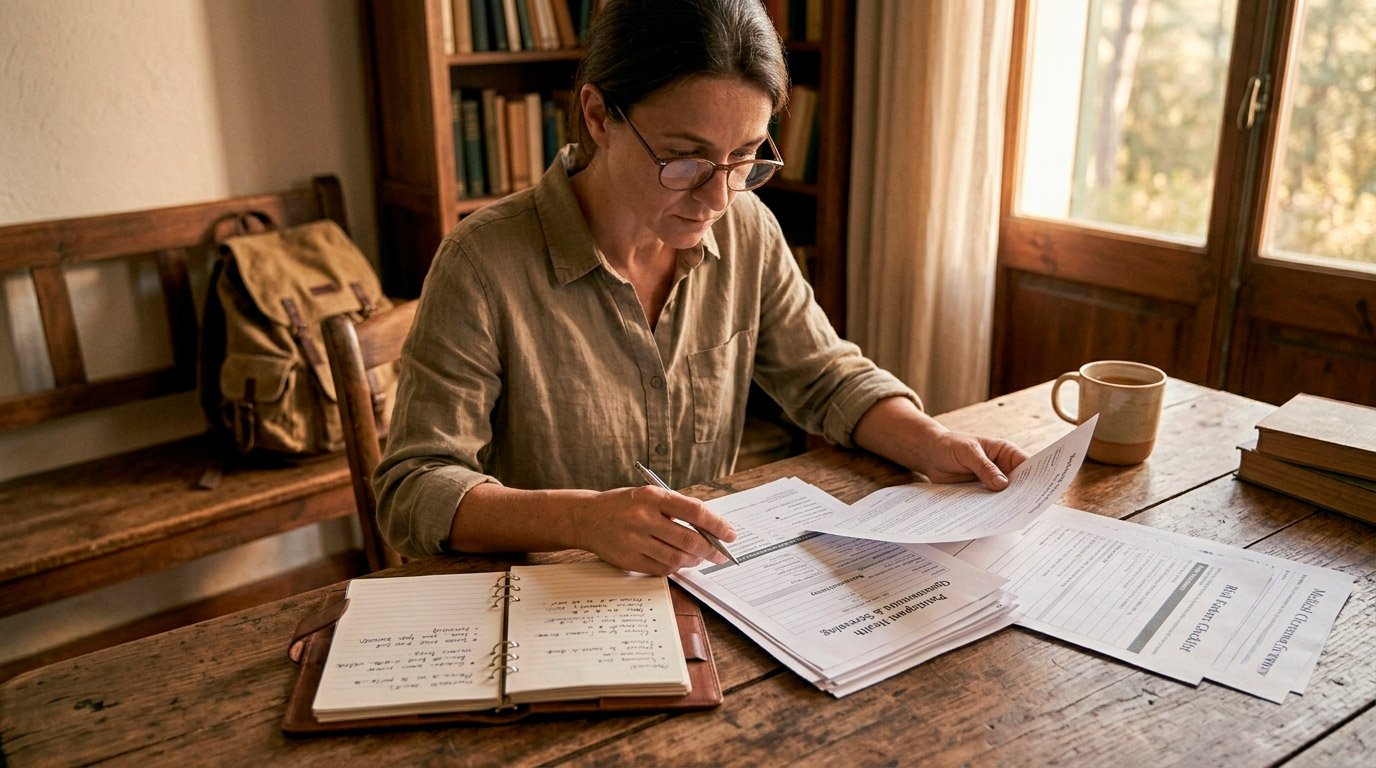
- Screening participants to make sure they’re ready for the experience.
- Having insurance in case of emergencies.
- Providing support around the clock for mental, emotional, and physical well-being.
Some retreats take the extra step of having a balanced staff-to-participant ratio for each retreat. While this level of attention adds to the cost, it also creates a much more supportive environment where each participant can fully relax, knowing they’re in good hands.
9. Food & beverage
Meals can be very simple or professionally made.
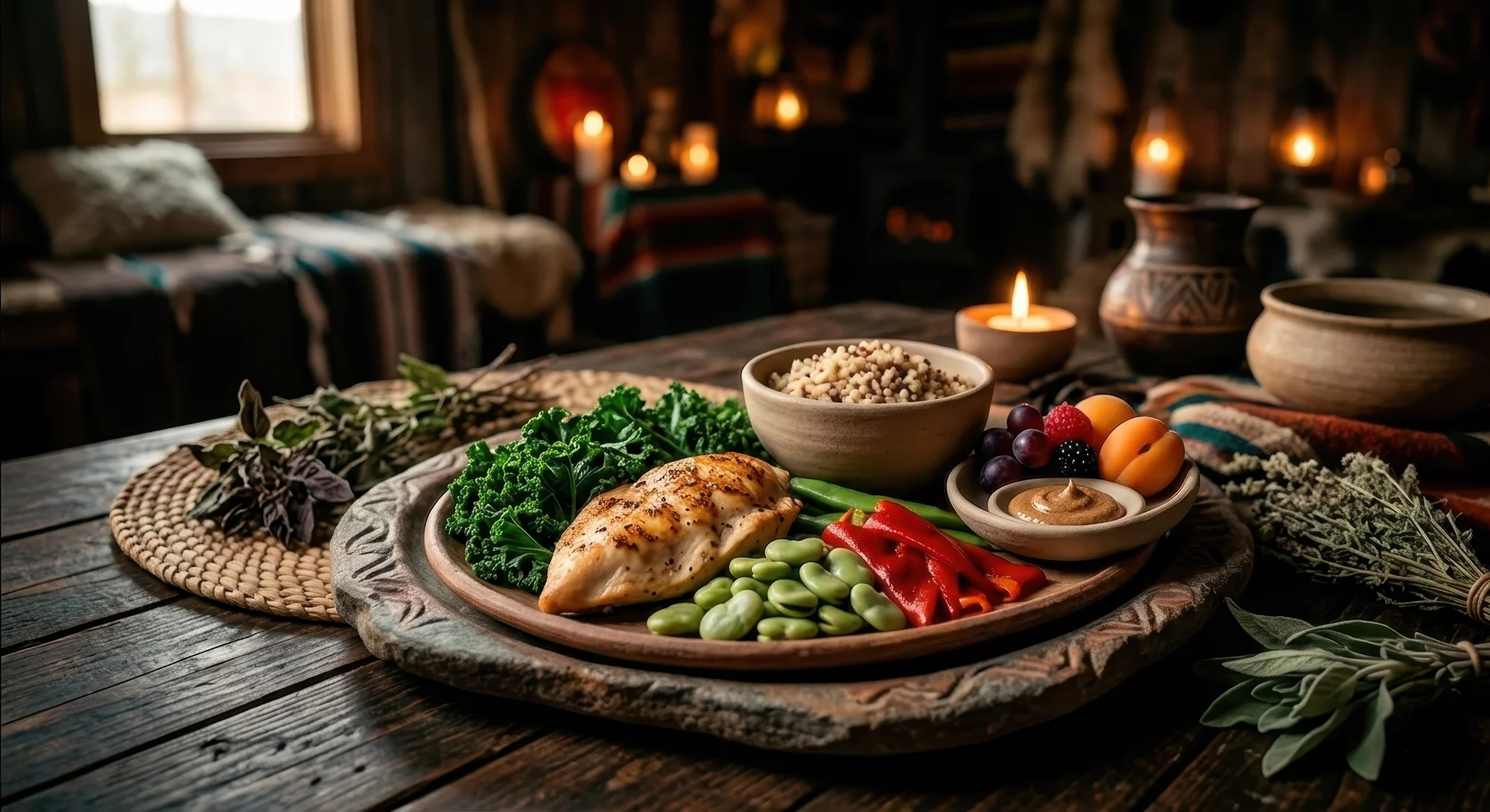
Most centres provide two to three meals per day throughout the retreat, usually in alignment with the Ayahuasca diet.
At cheaper centres, the meals can be pretty simple and repetitive. At the higher end, food is often prepared by professional chefs to be both diet-friendly and delicious. Both the quality and variety of meals can make a noticeable difference in your journey and can make you feel more at home.
Location also matters. In regions where fresh produce is inexpensive, meals are naturally cheaper to provide. In countries where organic ingredients cost more, this is also reflected in the retreat price.
10. Integration and additional services
A higher focus on integration helps create a smooth transition into everyday life.
Centres that mostly attract people inexperienced with ancestral medicines often place greater emphasis on integration, and for good reason. This additional support can show up in many ways, but here are some of the common ones:
- Group integration workshops.
- Sharing circles.
- Online integration follow-ups.
- Monthly community integration circles.
- Consultations with retreat support staff.
- Yoga, guided meditations, and breathwork.
- Massages.
- Food awareness workshops.
- Ecstatic dance.
- Water therapy.
- Energetic therapies.
- Flower baths or sound baths.
- Hypnotherapy.
- Cleansings.
These services can add a cost to the price of the retreat, but they also add real value, which some people see as an essential part of the journey.
What’s included in the price of an Ayahuasca retreat?
The Ayahuasca retreat cost isn’t just about the ceremonies themselves. Most of the price covers a range of services that support your journey from start to finish, and can make the difference between being a meaningful experience and a truly transformative one.
Some things that the Ayahuasca retreat price often includes are:
- Ceremonies: The number and frequency vary by retreat. Some offer a few ceremonies over a short stay, while others provide a more extended schedule for deeper immersion.
- Meals: Most retreats provide two to three meals per day, often vegan or vegetarian, and tailored to the Ayahuasca diet. This helps prepare the body and mind for the medicine.
- Accommodation: This can range from shared dorms to private rooms or suites. Comfort, privacy, and space all influence the price.
- Integration: On-site integration sessions help you process your experiences, while post-retreat aftercare provides guidance as you return to daily life.
- Extra therapies and wellness services: Some retreats offer yoga, breathwork, massage, sound baths, or other practices designed to support the mind, body, and spirit.
So, how do these retreat experiences differ?
Some retreats focus on providing just the essentials, which can keep the costs relatively low. These retreats are often bare-bones experiences with minimal support, shared accommodation, and usually basic infrastructure.
Others prioritise comfort, guidance, and comprehensive support. These sorts of centres offer private rooms, fully guided integration, and additional workshops or practices, which are reflected in the retreat cost.
How much should you pay for an Ayahuasca retreat?
Choosing the right Ayahuasca centre for you really depends on your intentions, the level of comfort and support you require, and the kind of experience you’re looking for.
Ayahuasca retreat costs range from around $1,000 on the low end, and up to $5,000+ on the high end.
Thankfully, there’s something for everyone.
If you have an adventurous soul and prefer to throw yourself into the deep end (think rustic jungle retreats), you might prefer seeking out local ceremonies at a lower cost.
On the other hand, if a high level of integration, support, and comfort appeals to you more, you’re likely looking at the higher end of the spectrum.
So, it depends on your priorities. Again, the cost doesn’t mean a centre is “better” or “worse”. Instead, it reflects the comprehensiveness of the package.
If you feel called to work with Ayahuasca and are wondering which option is best for you, explore our Ayahuasca retreats in Europe. Book a call with us — we’ll gladly discuss your intentions and help you find the retreat that truly aligns with your path.