
So, is Ayahuasca deadly?
Generally, no, Ayahuasca is not dangerous, as long as you take the unadulterated decoction in the proper setting. However, that doesn’t mean it can’t be dangerous under certain circumstances, or that the experience is a walk in the park.
Most people know that Ayahuasca can help with many things, and it has a lot of potential to change people’s lives for the better. But there’s also a reality to taking such a powerful psychoactive medicine that we need to be aware of.
Ayahuasca can be extremely intense and very taxing on the mind and body. This is part of the process of how it cleans, via purging, dredging out trauma, and facilitating deep processes and inner work.
So, people may feel like it’s dangerous at times, or that they’re even dying, but this is a subjective experience, not the reality for most healthy adults.
Most of the fear around Ayahuasca comes from a few scary headlines. The reality is more nuanced than “miracle medicine” or “deadly drug.” It sits somewhere in between, and where it lands depends almost entirely on who is drinking it and where.
Ayahuasca is generally safe when:
- You are a healthy adult with no serious heart or mental health conditions.
- You are not on any medications that interact badly with it.
- You drink it at a centre that screens you properly.
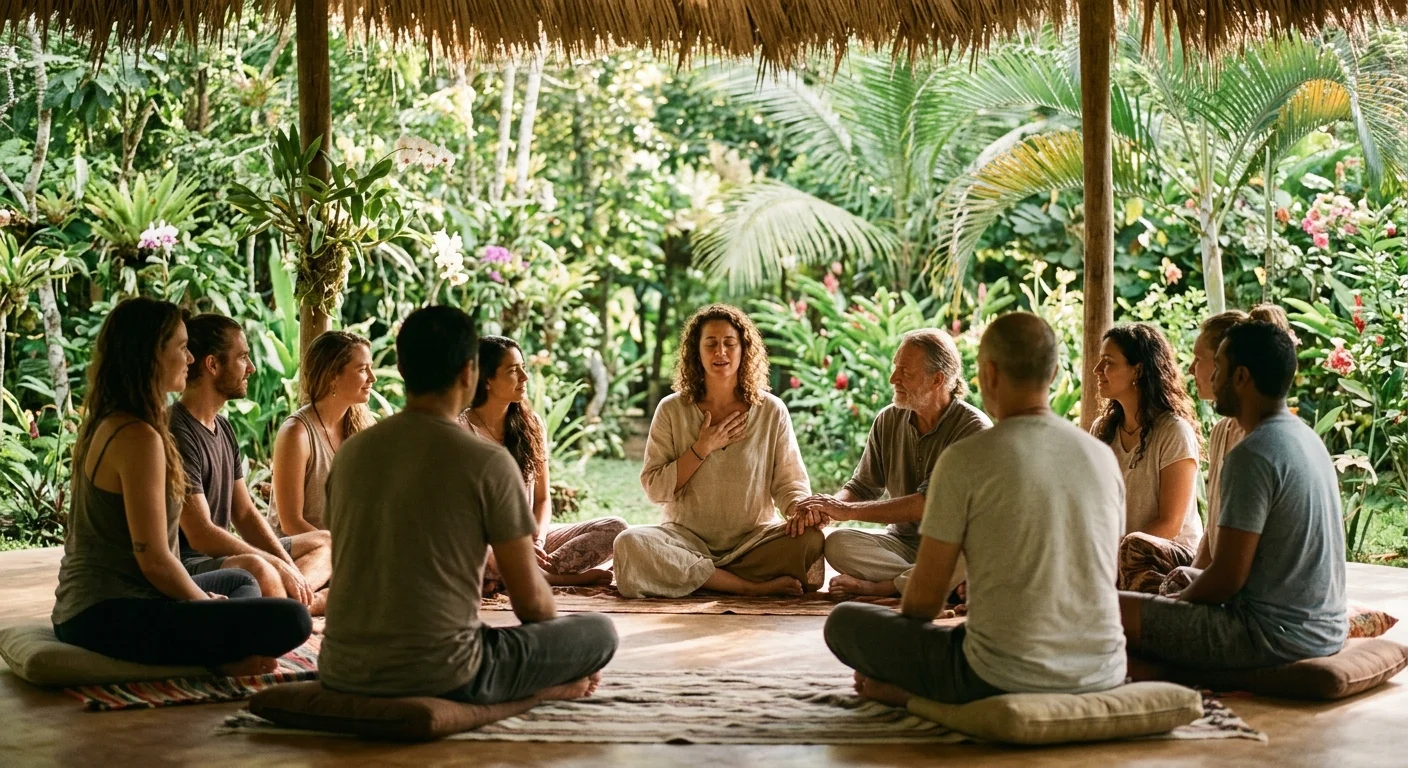
- Experienced facilitators run the ceremony in a traditional setting and hold the container properly.
- There is medical support if needed.
Ayahuasca becomes risky when:
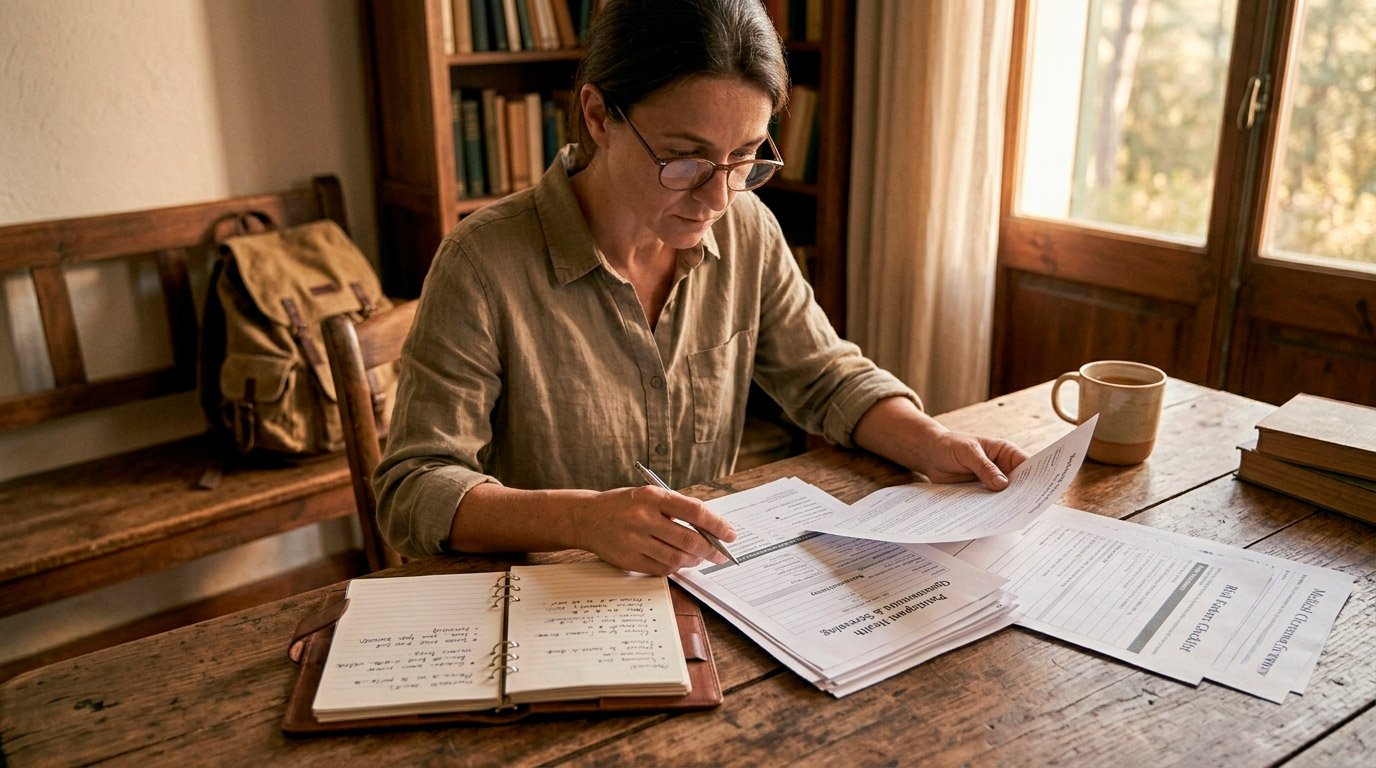
- You hide a health condition or medication on your intake form.
- You stay on antidepressants or other interacting drugs.
- You have an undiagnosed or untreated psychotic disorder.
- You have a history of severe mental illness, such as schizophrenia or mania.
- The retreat doesn’t screen you at all.
Notice the pattern. Almost every risk on that second list is preventable. That is the single most useful thing to understand about Ayahuasca safety.
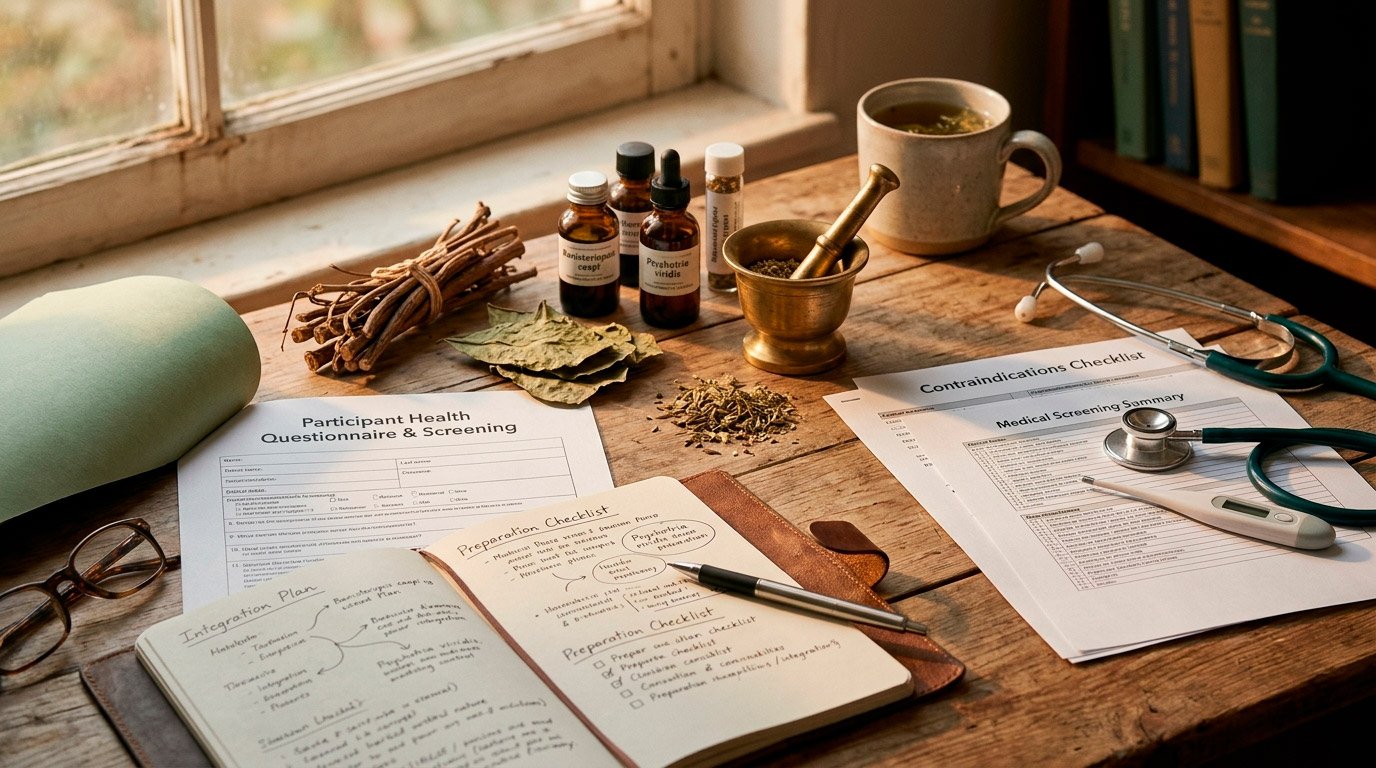
What are the side effects of Ayahuasca?
While many medical authorities frame vomiting, nausea, and diarrhoea as side effects of Ayahuasca, I want to make something abundantly clear. These are not side effects! These are intended effects, and often a desired part of the experience because this is how the medicine cleans you.
These reactions to the medicine are not considered negative. They’re seen as positive, and many people seek out the medicine specifically to undergo this purging process.
In the Global Ayahuasca Survey (2022), a study of more than 10,000 drinkers across 50-plus countries, around 70 per cent reported a physical reaction to the medicine, with vomiting being by far the most common. You can read the full findings in this open-access PLOS Global Public Health study.
Despite the vomiting, diarrhoea, trembling, and other ways that your body processes the medicine, it’s very rare for people to seek medical assistance afterwards. For most people, the discomfort is short-lived and usually clears away immediately after the purge.
Alongside the physical effects, expect emotional intensity. Ayahuasca can bring up old memories, fear, grief, and anxiety. You might cry. You might feel like you are facing something hard. For most people, this is uncomfortable but meaningful, not dangerous.
What are the dangers of Ayahuasca?
Common reactions and risks are not the same thing. Vomiting is unpleasant but expected. What’s mentioned below can cause harm, and it deserves real attention.
Dangerous drug interactions
This is the biggest danger by far.
The compounds in the Ayahuasca vine act as MAO inhibitors, a type of substance that changes how your body processes certain brain chemicals. The pharmacology behind this is well documented in this systematic review in the Brazilian Journal of Psychiatry.
When Ayahuasca is combined with the wrong medication, it can cause serotonin syndrome.
This is a serious and sometimes fatal condition where serotonin levels in the body climb too high, causing symptoms like high fever, racing heart, confusion, muscle rigidity, and seizures.
The medications most often involved include:
- SSRIs and SNRIs (most common antidepressants).
- MAOI antidepressants.
- Tricyclic antidepressants.
- Some medications for Parkinson’s disease.
- Certain cough, weight loss, and psychiatric drugs.
- St. John’s Wort and some serotonin-boosting supplements.
The thing is that you cannot just skip your antidepressant the night before a ceremony because some of these drugs take weeks to fully leave your system.
Coming off any psychiatric medication has to be planned well in advance and supervised by the doctor who prescribed it. If you cannot safely stop your medication, Ayahuasca is not the right choice for you right now.
The same applies to recreational substances.
Combining Ayahuasca with stimulants such as amphetamines or MDMA can be potentially dangerous due to shared serotonergic mechanisms.
Alcohol and opioids should also be avoided in the 2 weeks leading up to a ceremony. For other substances, the research is limited, but limited evidence is not the same as no risk.
The guidance from ICEERS is clear: avoid all recreational substances and ensure nothing remains in your system before working with this medicine.
Heart and blood pressure risks
Ayahuasca temporarily raises your blood pressure and heart rate during a ceremony. For a healthy person, this is usually not a problem. For someone with a heart condition or uncontrolled high blood pressure, it can be.
If you have any cardiovascular history, this is a conversation to have with both your doctor and the retreat before you book anything. The Ayahuasca diet also matters here, which we cover further down.
Mental health risks
For most people, the emotional side of Ayahuasca is challenging but ultimately positive. But for some people, especially those who have preexisting mental health issues and are not prepared for a deep and difficult experience, it can push some people over their edge, leading to:
- Retraumatisation.
- Offsetting anxiety or panic attacks.
- Overwhelm or burnout.
- Destabilisation and inner instability.
- Temporary or lasting psychosis (in extreme cases).
- Mania (also in extreme cases).
Ayahuasca can stir up difficult material, and without good support afterwards, some people feel destabilised for a while.
Not necessarily dangerous, but it can potentially lead to dangerous decisions. This is why the integration process is especially important, and to avoid making drastic decisions right after a ceremony (give the insights time to settle).
People with schizophrenia, bipolar disorder, or other psychotic disorders should not drink Ayahuasca.
Some people who drink Ayahuasca report a difficult mental or emotional effect in the weeks after a ceremony, but most view it as part of a healthy process of growth. Only a small fraction seek professional help afterwards.
Still, it tells you that integration is not optional.
Who should not drink Ayahuasca?
People with certain psychiatric conditions, physical health conditions, or those who are taking certain medications should not drink Ayahuasca.
While it’s fine for most people, some people should skip it because Ayahuasca is harmful under certain conditions. It’s not about willpower or how ready you are. It’s about specific health factors that genuinely raise the risk of harm.
Here are some recognised conditions that cause a genuine risk when taking Ayahuasca. Keep in mind, this list is just a starting point, not a full medical clearance.
| Condition or medication | Why is it a risk? | |
|---|---|---|
| Psychiatric conditions | Schizophrenia or other psychotic disorders | Can trigger or significantly worsen psychosis. Psychosis creates a lasting psychological footprint once a break occurs; future episodes become more likely. |
| Bipolar disorder | Can trigger manic episodes. Depressive episodes may also worsen. Evaluate carefully, even with stabilised cases. | |
| Active suicidality | Ayahuasca may help reduce suicidal tendencies in some cases, but in others it can intensify them. The risk is too unpredictable to proceed without exceptional support conditions. | |
| Personality disorders | Contraindicated, especially when the person lacks awareness of their own condition. | |
| Narcissistic Personality Disorder (NPD) | Ayahuasca can act as an amplifier. Rather than dissolving the ego, it may reinforce narcissistic beliefs and lead to ego inflation. | |
| SSRIs, SNRIs, MAOIs, tricyclic antidepressants | Interaction with the MAOIs in Ayahuasca can cause serotonin syndrome, a potentially life-threatening condition. Must be suspended 6 weeks in advance, always under medical supervision, and only if the prescribing doctor approves it. | |
| First-degree family history of psychosis or bipolar disorder | Genetic predisposition may increase risk. Weight increases with greater or multiple-relative involvement (e.g., both a parent and a sibling). | |
| Physical health conditions | Heart disease or uncontrolled high blood pressure | Ayahuasca raises heart rate and blood pressure. Can cause serious complications in participants with existing cardiac conditions. As a rule of thumb: if someone couldn’t safely ride a rollercoaster, they probably shouldn’t drink Ayahuasca. |
| Epilepsy or predisposition to seizures | Ayahuasca can lower the seizure threshold, increasing the risk of convulsions. | |
| Pregnancy or breastfeeding | Effects on the foetus are not established; precautionary measure. | |
| Glaucoma or retinal detachment | Ayahuasca raises blood pressure, which also affects intraocular pressure. This can directly worsen both conditions. | |
| Medications | Certain Parkinson’s, cough, and weight-loss medications | Known interactions with the MAOIs in Ayahuasca, potentially causing unpredictable and dangerous outcomes. |
| Most psychotropic medications and antipsychotics | Can cause dissociation and unpredictable interactions. | |
| Situational factors | A participant who cannot be trusted | Trust is foundational to safety. Paranoid thinking, evasiveness during screening, isolation, or absence of a social support network are warning signs. An inability to trust can itself trigger paranoid crises during the ceremony. |
| Recent recreational drug or alcohol use | Adds unpredictable interaction risk. Some substances interact dangerously with Ayahuasca; others may not be physically harmful but can distort the experience in undesirable ways. |
Has anyone died from Ayahuasca?
Yes, people have died from Ayahuasca, and it would be dishonest to pretend otherwise. One review counted at least 58 deaths reported in connection with Ayahuasca retreats between 1994 and 2022.
On the other hand, there’s an important distinction…
No death can be attributed to Ayahuasca directly. They were linked to things like undisclosed medical conditions, dangerous drug interactions, additional substances taken alongside the brew, accidents, and retreats with no medical support when something went wrong.
So, almost every fatality, if not every fatality involving Ayahuasca, was due to secondary conditions. Therefore, for a healthy person under the right circumstances, it’s extremely rare, if not unheard of, for Ayahuasca itself to result in their death.
The lesson is that screening, supervision, and not piling on extra substances are what keep people safe. So, can Ayahuasca be dangerous?
Yes.
Is it inherently a killer? Absolutely not.
How to have a safe Ayahuasca experience?
You cannot remove all risk from Ayahuasca. You can lower it dramatically. Here’s how:
- Choose a retreat that screens you: A serious centre will ask detailed questions about your physical health, mental health history, and every medication and supplement you take.
- Be completely honest on your intake form: Every condition, every medication, every relevant detail. The screening only protects you if the information is true.
- Sort out your medications early: If you take anything that interacts with Ayahuasca, you need a plan with your prescribing doctor, often months ahead. Never stop psychiatric medication on your own.
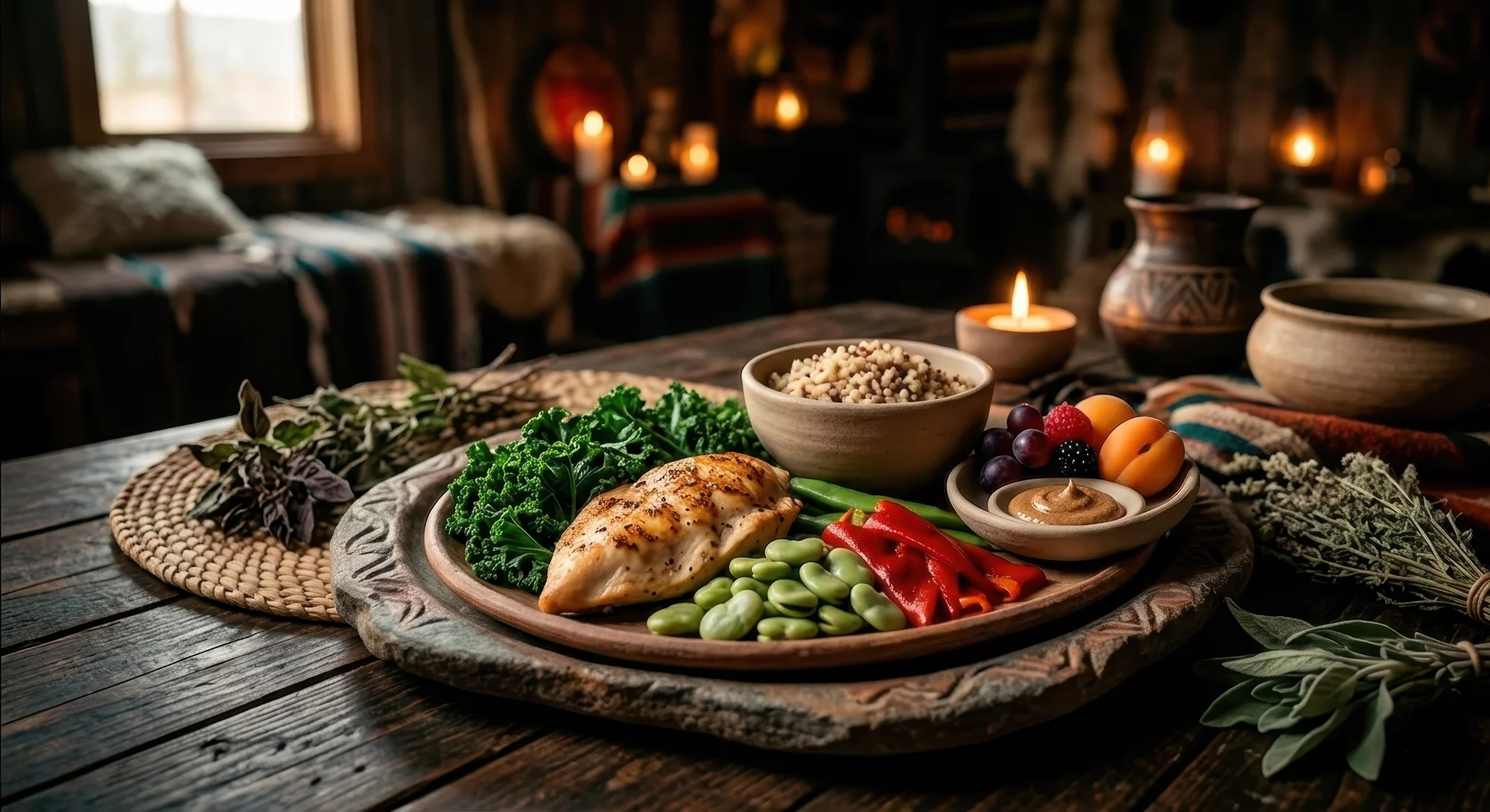
- Follow the Ayahuasca diet: The preparation diet is not just tradition. The MAOIs in the brew can react badly with foods high in tyramine, like aged cheese, cured meats, and fermented foods, which is one reason the diet exists. Following it is a genuine safety step.
- Make sure there is real on-site support: Experienced shamans, a reasonable group size, and a clear plan for medical emergencies all matter.
- Plan for integration: The ceremony is one part. Processing what came up afterwards, ideally with support, is what turns a hard experience into a useful one.
So, should I take Ayahuasca?
Usually, Ayahuasca doesn’t pose a risk for the right person in the right setting, and whether you should take it depends on your personal readiness and preparation. For a healthy, well-screened adult drinking with experienced facilitators in a traditional setting, the most likely outcome is an intense, uncomfortable, and often deeply meaningful experience.
The danger is not really the medicine itself. It’s poor screening, hidden health information, drug interactions, and unsafe settings. Take those seriously, and you have removed most of the risk.
If you are considering a retreat, the responsible next step is a conversation, not a quick booking.
Book an Ayahuasca retreat with Avalon
At Avalon, we recognise the risks and ensure the highest standard of safety. Every participant is thoroughly screened before joining a retreat, and our team is happy to discuss your medical history and medications openly so you can make a clear decision.
We also offer robust integration assistance through various modalities such as art therapy, walks in the forest, breathwork, and sharing circles to make sure you leave while in a state that’s conducive to your healing and growth. Furthermore, we also offer a balanced ratio of guardians to participants (minimum 1:4), so you can rest assured knowing that you always have personal support throughout the retreat. Your wellbeing is something we take seriously, and our safety measures reflect that.
Our approach to safety draws on the guidelines of the ICEERS Academy Enhancing Safety in Ayahuasca Sessions.
Book a discovery call with us to see whether this is a good choice for you.